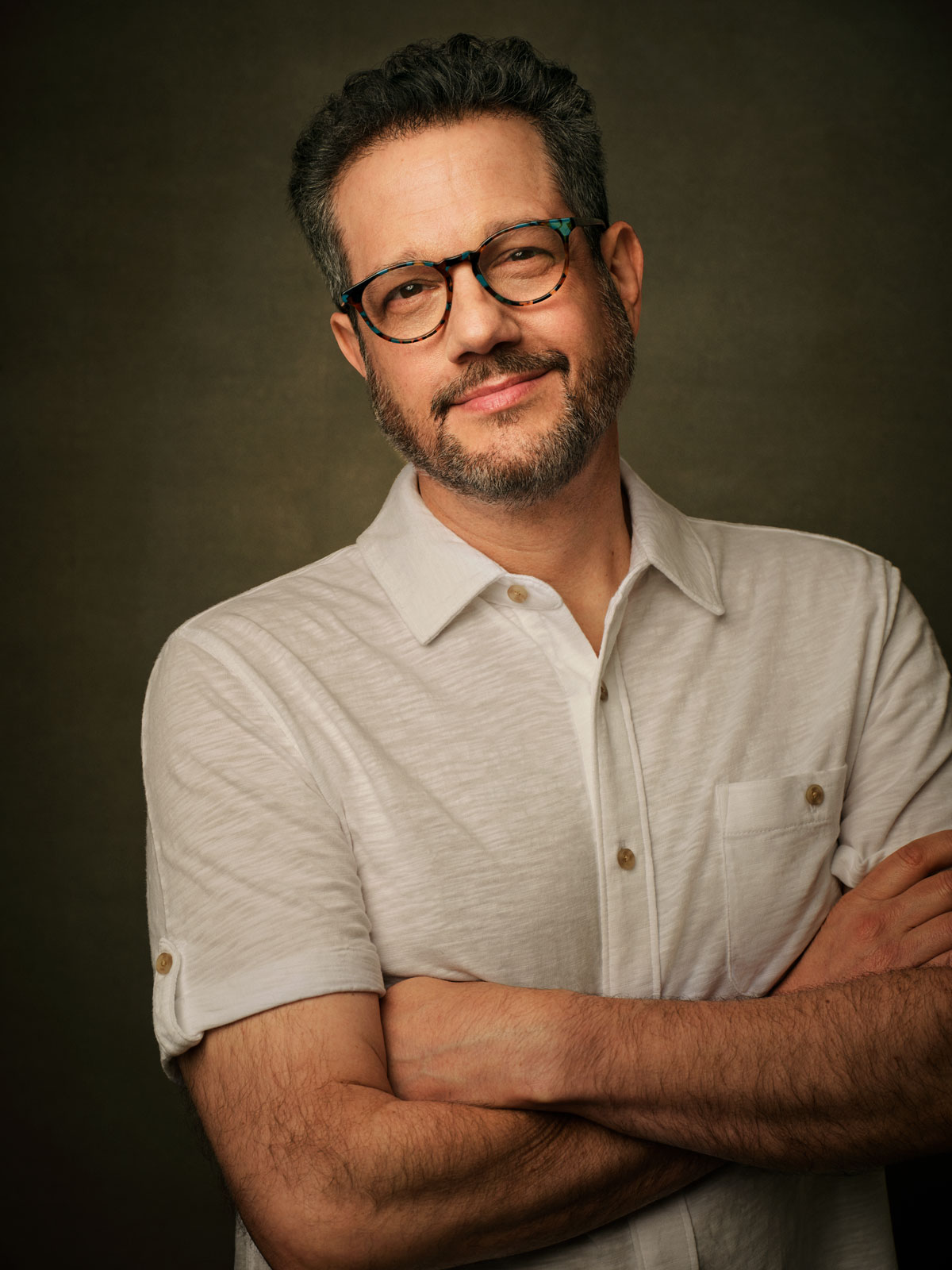
 Oscar-winning composer Michael Giacchino is heading to San Diego Comic-Con with two special events that blend music, storytelling, and conversation at UC San Diego’s Epstein Family Amphitheater, just a trolley ride from the Gaslamp. Presented by ArtPower, the first evening, Exotic Themes for the Silver Screen, takes place Tuesday, July 22 at 7:30pm and reimagines Giacchino’s iconic scores — from The Incredibles and LOST — in the dreamy, lounge-inspired style of 1950s Exotica. On Wednesday, July 23, also at 7:30pm, he’ll return to the stage for Pixar’s Pete Docter in Conversation with Michael Giacchino, an intimate look at their long creative partnership and the Pixar projects that shaped a generation.
We spoke with Giacchino about the origins of Exotic Themes for the Silver Screen, his creative process in translating sweeping cinematic scores into laid-back lounge arrangements, and why it was important to him to include every chapter of his career — hits and deep cuts alike. And of course, Comic-Con.
“I love that there is a weekend where people can get together to learn about and enjoy the characters and stories that make them happy all year long, in one big celebration,” Giacchino said of the timing for these events being set during San Diego Comic-Con. “I look forward to seeing the passion and creativity that goes into all the costumes and I get to meet up with a lot of my friends who I don’t often get to see.”
This performance at UC San Diego brings your album Exotic Themes for the Silver Screen to life in a really unique way. What originally inspired you to reimagine your scores in that 1950s Exotica style?
MG: I grew up listening to all types of music — but had a particular love of the work of Arthur Lyman and Martin Denny who were pioneers of this style as well as wonderful storytellers. They were able to create fantasy worlds that could magically transport you to a place that didn’t actually exist, but could live in your imagination. People had asked me about putting together a compilation of my “greatest hits” but it felt too boring or generic to just put all the original recordings on one album. So I thought — what would Lyman or Denny have done with something like Spider-Man or a spy show like Alias? I spoke to our friends at Mutant Records and said, “I have an idea for an album that nobody asked for—”. They totally understood what I wanted to do and said let’s go for it.
What was the creative process like for translating those big cinematic themes into something loungey and vibraphone-driven?
MG: Since I was approaching this as a fun way to look back on my work, I wanted to hit practically everything that I did in one way or another, to at least give each project its own space. In effect, I was creating a yearbook of sorts, and didn’t want to leave anyone out — even if the project wasn’t a hit commercially, I still had good memories of working on it — and I wanted to honor that. I took the main theme from each project and discussed these with my assistant at the time, Curtis Green, who was working on the orchestrations. Some of the pieces were stripped back, simple, and some pieces I wanted a bit more juiced up. For example, music from LOST and Medal of Honor needed to be reverent and slow — maintaining the emotion, but something like “Enterprising Young Men” from Star Trek could be more full on, more boisterous. It was then a matter of transforming those themes using vibraphones, marimbas, and steel guitars that defined the escapist sound of this type of music.
It was also important to note that the majority of the musicians who recorded this, in fact, the ones who will be on the stage with us at the concert, have played on almost all of my scores. They know this music, they are at the top of their game, they are the best in the business. Because of this, we were able to leave space for improvisation, for solos — we would add a few bars here or there to give them the opportunity to put their stamp on it. I said, let’s have fun with this, let’s push it ’til we break it!
Are there any arrangements you’re especially excited for the audience to hear live for the first time?
MG: I am very excited about the audience getting a chance to hear “Primordial Forest”, from The Lost World video game. It was the piece that really changed the trajectory of my life. I was working as a video game producer at DreamWorks and we were doing The Lost World for Steven Spielberg. The producer on that project asked me to write some music that he could put with some scenes that they were showing Steven at a meeting the next day. I went home and wrote “Primordial Forest” and after Steven saw it, he asked to meet me. He told me that he loved the music and wondered if I would score the entire game — with a live orchestra — and the rest, as they say, is history.
Will the show follow the same track list as the album, or have you adapted it for the live performance?
MG: It will follow chronologically, but we have had to edit it down or we would be there for two days!
Having worked with Mutant and Mo Shafeek to release this album on vinyl, why do you think physical media is so important right now?
MG: I have always loved physical media and I love going through stacks of vinyl. The artwork, the liner notes — all of that creates a mood — not the same as looking at your Spotify list. I greatly admire the work that Mo and Spencer at Mutant do to preserve this art form and I couldn’t imagine working with anyone else on this.
What made UC San Diego the right home for this performance of Exotic Themes for the Silver Screen?
MG: We came here last year for Star Trek Live and for my conversation with the two Sulus, George Takei and John Cho. We had a blast, thought the venue was incredible, and really hit it off with Colleen and her team. Everyone was so accommodating and friendly — and just wanted us to have fun. Couldn’t be a better place to premiere this — plus they told me that there will be tiki drinks.
If you were speaking to UC San Diego students who dream of doing what you do, what advice would you give them?
MG: If you want to write music for films and other visual media, you have to meet filmmakers. Composers should become friends with the filmmaking students and find people who you would like to collaborate with. Just make things!
You and Pete Docter have a long creative history together at Pixar. What are you most looking forward to revisiting or exploring in this conversation? Audiences know the magic you two have made on screen, but what’s something people might be surprised to learn about your creative relationship behind the scenes?
MG: We are looking forward to having a conversation about growing up, things that inspired us, what movies we loved, what books we read, and what bourbon makes the best Old Fashioned.
You’re performing these shows during the biggest fan week of the year, San Diego Comic-Con. Was the timing on this intentional?
MG: Yes, of course! Comic-Con is one of my favorite events of the year, so I am always down in San Diego anyway. Couldn’t be a more perfect time with like-minded people in town.
Can we expect to see you at the actual San Diego Comic-Con convention this year?
MG: I will be moderating a panel of composers on the music of Super Heroes Thursday morning at 10am at the San Diego Bay Hilton. Come see me!