
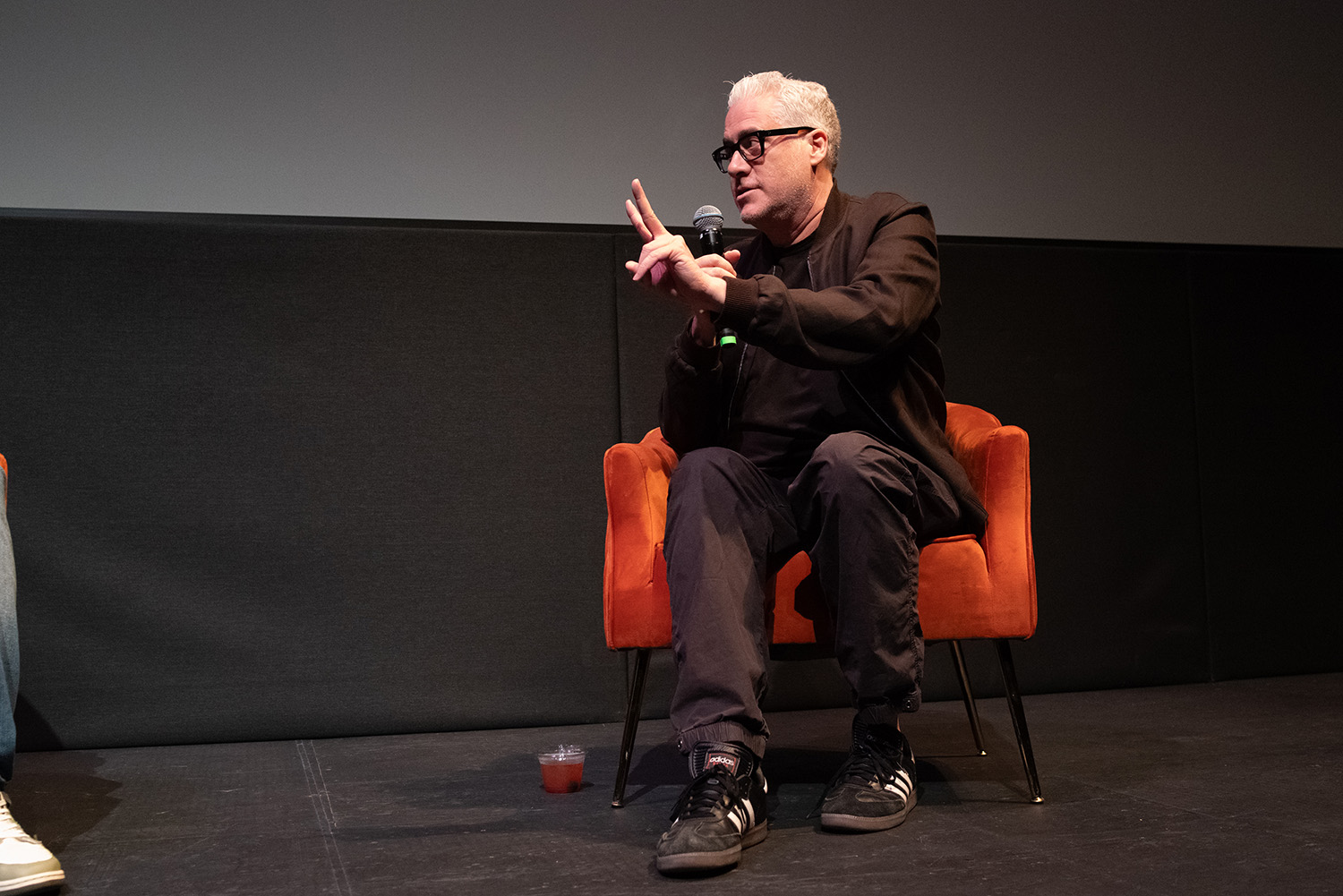
AMC’s The Vampire Lestat made its first public appearance today at the ATX TV Festival in Austin, where fans were treated to an advance screening of the season premiere followed by a Q&A with showrunner Rolin Jones.
While attendees were sworn to secrecy about the specifics of the episode, Jones offered plenty of insight into what viewers can expect when the series premieres next month on June 7 — and if there was one message he returned to again and again, it’s that this season belongs to Lestat.
It’s Lestat, front and center
One of Jones’ biggest goals for the season was making audiences feel the shift from Louis’ story to Lestat’s.
“It’s very simple, Anne [Rice] set the map for us,” Rolin explained of the major shift in both tone and perspective, as the season transitions its narrator from Louis de Pointe du Lac to Lestat.
“It’s Lestat, front and center. So you need to experience that. That’s not just scene writing, and that’s not just what happens plot-wise. It’s form, it’s function, it’s how we come at you. And I really want to prepare you, this is just beginning of what we’re about to do. You just want it to feel like he took over the show.”
And of course, in order to have a frontman in your show, you need an actor capable of carrying that role. Jones referred to actor Sam Reid’s work as one of the top five TV performances of all time, up there with that of James Gandolfini. “We don’t have to work very hard to be mesmerized and magnetized by Sam’s performance,” Jones said. “If you think you know what [Sam] can do for two seasons, you are in for a rude awakening.”
The music
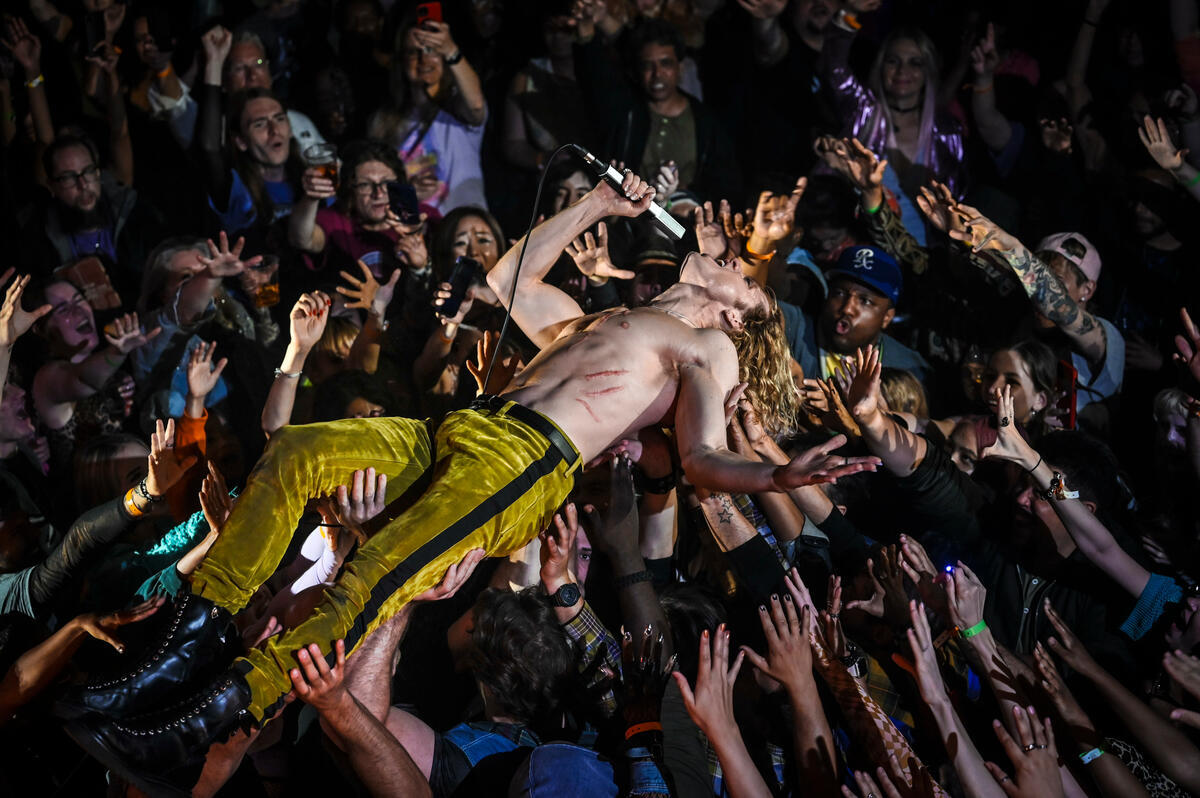
But if the songs don’t land, then the performance doesn’t either. Daniel Hart has been the series composer for two seasons of Interview with the Vampire, but this year he took on even more roles, not only composing the season’s score, but also the rock music that Lestat performs, and even joining the writing room (co-writing episode five with Hannah Moscovitch, Jones confirmed).
When Jones first sat down with Hart during development on the first season, he warned him that eventually they’d arrive at The Vampire Lestat and the rock star era fans had been waiting for.
“I was like, you gotta be prepared for this thing that happens about four years from now,” Jones told Hart at the time. “You’re gonna have to strap it on again and write some rock songs, and I think he was very excited about that.”
Hart ultimately became one of the season’s most important creative voices, writing songs, shaping performances, and helping build the musical identity of Lestat’s world. In fact, the songs became so integral to the storytelling that they began influencing the scripts themselves.
“We are shaping things around emotional high points that songs deliver,” Jones said.
Rather than simply writing music to fit completed episodes, Hart would often bring material into the room that changed the direction of the story. “Daniel would come into the room with something we had no idea about. He would pluck it down, and then the writers became reactive, and we would write around that,” Jones said.
Hart’s contributions extended so far beyond composing that it’s difficult to separate the music from the narrative itself. Rather than being spread too thin, Hart delivered (even if he probably wants a nap now).
Jones referred to Hart’s work (which spans not just this series, but also Mother Mary, The Green Knight, and beyond), as “the most insane period of American composition in the last like 20 years.” That’s high praise, but based on what fans have heard so far, it’s earned.
And the best is still yet to come, even beyond this season. While a season four has not officially been announced, Jones confirmed that songs for a fourth season (planned as basically a part-two to this particular story, similar to how the first two seasons were bookends for Interview with the Vampire) have been written, and what Jones considers the best song is waiting in the wings for season four.
“It’s Sam and Daniel this year,” Jones said. “They just gave you everything. If you don’t like the show or the season, you don’t like Dan and you don’t like Sam, because they give you everything. Our show would be nothing, it would be a flat line, dead in the water thing, without them.”
Failure, fame, and finding yourself
Of course, becoming a rock star is only part of the story this season. For Jones, The Vampire Lestat is ultimately less about fame and more about failure, and how Lestat responds to it.
“One of the more relatable things in the world is failure for all of us,” Jones said of the overarching theme for this year, and how much it resonated with a writer’s room full of writers and musicians. “All of us failing daily, weekly, monthly, yearly, whether it’s with our personal relationships, our jobs, or what we do, and so we just use that as the punishing device.”
They were interested in discovering if you pass through failure, can you find a better version of yourself? That’s going to be the “emotional landscape” that Lestat has to navigate this season.
Going inside Lestat’s mind
One of the more interesting behind-the-scenes revelations from Jones involved the way the creative team approached Lestat’s inner life this season. Rather than relying on exposition or having characters explicitly explain what Lestat is feeling, the production experimented with new visual techniques to convey memory, emotion, and perspective. “We use some of this old footage that we have in these little clashes of memory, but we manipulated them in very, very particular ways,” Jones said.
According to Jones, the team repurposed existing footage, alternate takes, and previously-shot material, then heavily altered it in post-production to create something entirely new. “We took a piece of footage and we moved it this way, blew it up this way, so we could match it this way.”
The process was painstaking, with Jones described sequences containing countless tiny edits, some lasting only a single frame. “There are single frame edits in this. When you guys get in there, you have no idea how many edits are in this thing right now.”
For Jones, the goal wasn’t simply to save money or reuse footage. It was a way of communicating Lestat’s emotional state without having to spell everything out for the audience. “What does he feel? What does he want? It’s like he wants five things in this, but why are we going to articulate that?”
Instead, the team looked for ways to push viewers deeper into Lestat’s psyche. “Because we were going inward,” Jones said.
He believes the result gives the season a larger sense of scale while simultaneously making it more intimate, effectively creating a new visual language for the series.
But just because this is Lestat’s version of events, doesn’t mean that it’s the “correct” version of events versus that of Louis, Armand, or anyone else. “You can say we probably have an allergy in the [writer’s] room to the word truth,” Jones said, to the philosophy of their writing team. “We’re not necessarily interested in the objective truth.”
Passing the baton
While this season may belong to Lestat, Jones was quick to acknowledge the “beautiful” personance Jacob Anderson gives this season as Louis.
Rather than viewing the shift in perspective as a competition between the two leads, Jones described it as a natural passing of the torch between friends and collaborators who understand exactly what the other is being asked to carry. As the series shifts its focus from Louis to Lestat, Anderson is essentially handing over the burden of being the show’s central figure while continuing to support Reid behind the scenes.
“You guys all know about their friendship,” he said.
Even with Louis no longer serving as the primary narrator of the story, Jones stressed that the connection between the two characters (and the two actors portraying them) remains central to the series.
“They’re physically connected throughout the season,” Jones said.
Jennifer Ehle’s Gabriella
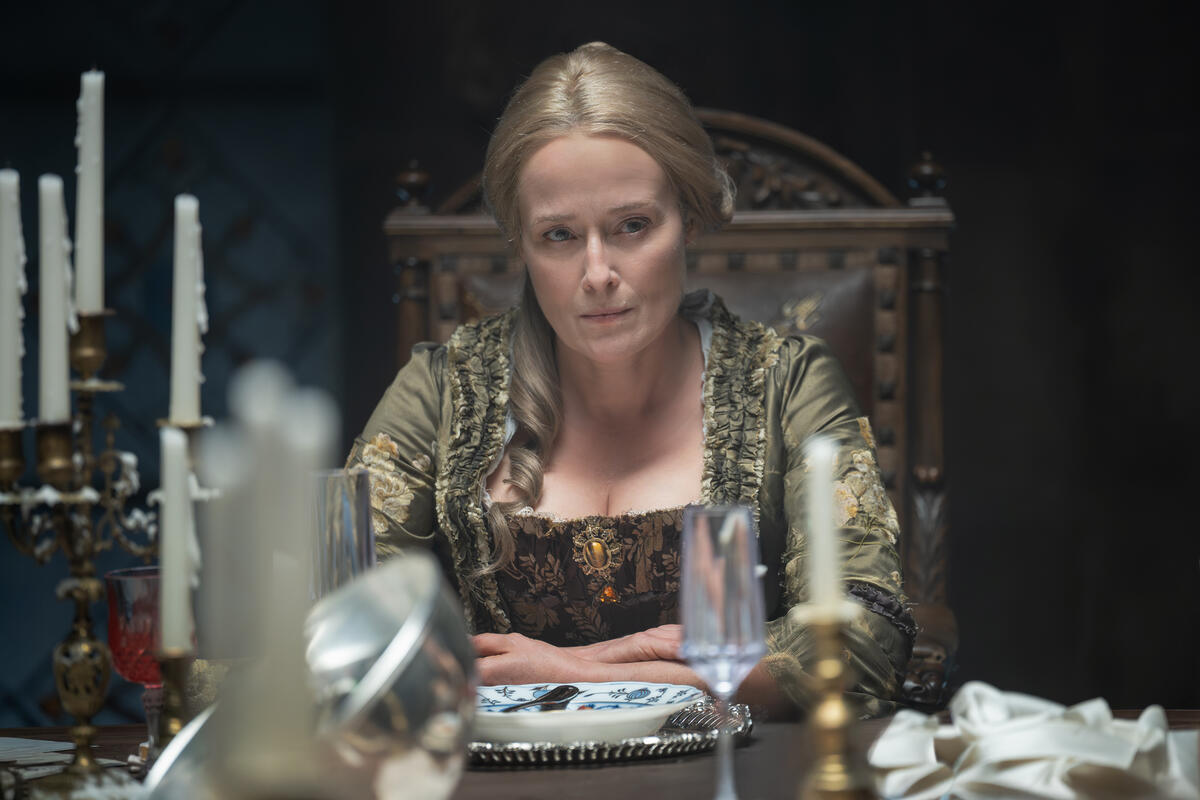
One of the characters Jones seemed most excited to discuss was Gabriella. While book readers know exactly how important Lestat’s mother is to his story, Jones made it clear that Jennifer Ehle’s performance is something special.
Jones described seeing her in one of the “five greatest theatre performances” in his life when he saw her perform in Tom Stoppard’s The Real Thing on Broadway, and that he’s loved working with her since.
But he doesn’t feel Ehle has really had the chance to sink her teeth into a role like this before. He said with Gabriella, she’s effectively showing casting directors across the globe that she can “scare the shit out of you, [she] can unsettle you.”
More importantly, Gabriella needed to be one of the few people capable of disrupting Lestat himself.
“Can you unsettle the star who goes into every room and commands everybody, takes over a room? You have to have somebody who can go in there and absolutely take his feet off,” Jones said.
Daniel Molloy’s new chapter
While much of the conversation centered on Lestat, Jones also teased what’s ahead for journalist (and two-time Pulitzer winner) turned documentarian, Daniel Molloy, as he navigates his first years as a vampire.
That wasn’t always an easy transition, including for the actor. When Jones initially sent the script for the first episode this season to his main actors, he got back “beautiful, beautiful emails and texts” from everyone, and one phone call… from actor Eric Bogosian.
“He lit into me for about two hours,” Jones laughed. “And he was right. So [in the] second draft, you’re beginning to see what Eric fought for. He was totally right.”
The initial script had Daniel Molloy hanging on the bus, mostly just tagging along, like an aging, cynical commentator along for the ride, in a very Don Johnson sort of role. Ultimately, though, what ended up on screen was better.
“I think we’ve already established the first couple of years of being a vampire are very difficult, and this guy has kind of an extraordinary ego, and so he’s going to be sort of initially dealing with trying to keep that cool while being completely different.”
While Eric Bogosian’s Daniel will get plenty to do this season, Jones confirmed that the younger version of Daniel, as played by Luke Brandon Field, won’t be featured at all this season. But don’t worry — there’s still hope for in the future.
“He’s in our family, he will be there opening night in New York [at the June 2 concert]. We think about him often. He will probably come back,” Jones said.
Don’t worry about Armand
Naturally, fans wanted to know what comes next for Armand after the events of season two, and about Daniel’s “distant daddy”.
“Don’t worry about Armand,” he said. “We can’t talk about it because he’s doing shit,” Jones laughed.
Fans will have to wait to find out more about just what that entails.
Making television at the edge
With often two years passing between seasons, Jones acknowledged that they “take fucking forever to make this show.” He stressed, though, that they’re working every single day to make the very best version of it that they can.
And that attitude extends far beyond both Jones and the case. He was quick to credit the team around him for bringing the series to life. Rather than micromanaging every aspect of production, he described his role as assembling talented people, trusting them to do their jobs, and helping keep morale high during an intense shoot.
“For the most part, you get the fuck out of the way, you just do it, because they’ve all been trained in the thing that they’re doing for 30 years,” he said.
That trust becomes especially important given the pace at which the series is produced. The schedule is even more demanding than viewers might expect.
“We are shooting episodes of television that should be shot in 18 days, and we are shooting them this year in 12 days,” he said.
That compressed production schedule means, as Jones put it, that “everyone is right at the edge all the time.” Much of the leadership team’s job, he explained, is simply making sure cast and crew have the support they need to keep going. For Jones, the show’s success ultimately comes down to the people making it — and the trust, stamina, and affection that keep the production moving forward.
The roadmap for moving forward
One thing Jones made clear throughout the discussion is that much of The Vampire Lestat has been years in the making, for four or five years for the most part.
While he acknowledged there have been occasional moments of retroactive writing, Jones said the broad strokes of the story have largely been mapped out well in advance.
“It has all been conceived of,” he said. That doesn’t mean the writers have made things easy on themselves, however.
In fact, Jones said the creative team actively tries to put the characters in impossible situations.
“We tried three or four times to paint ourselves in a corner,” Jones said. By the end of the season, some of those corners became so extreme that even the writers weren’t entirely sure how they would escape them moving forward. “There are three or four things that by the end of episode seven, we have no fucking idea how we’re getting out of.”
For Jones, that’s part of the fun. The goal isn’t simply to adapt Anne Rice’s books, but to keep both longtime readers and newcomers guessing about where the story could go next.
We can’t wait.
The Vampire Lestat premieres on June 7 on AMC and AMC+.
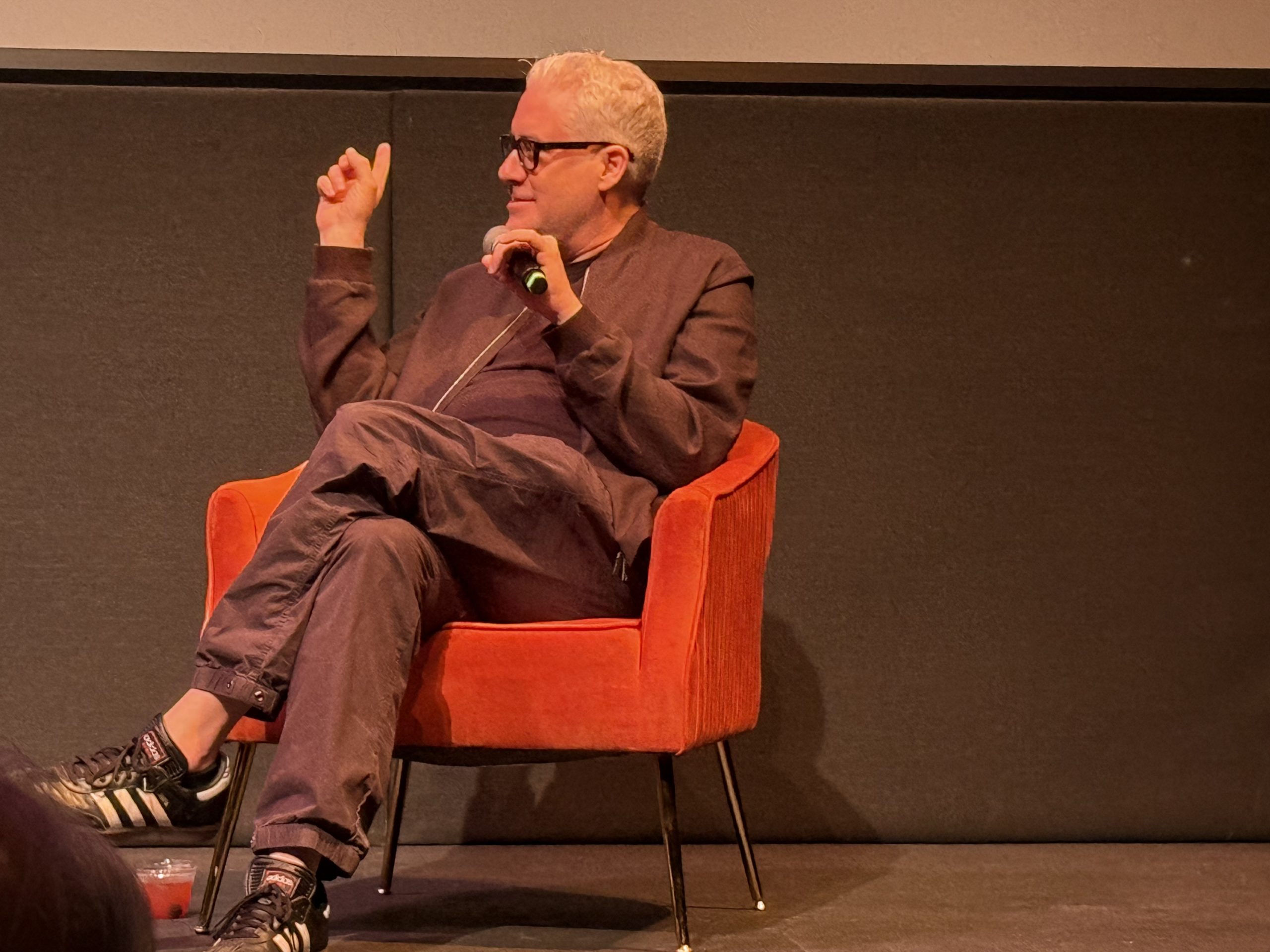
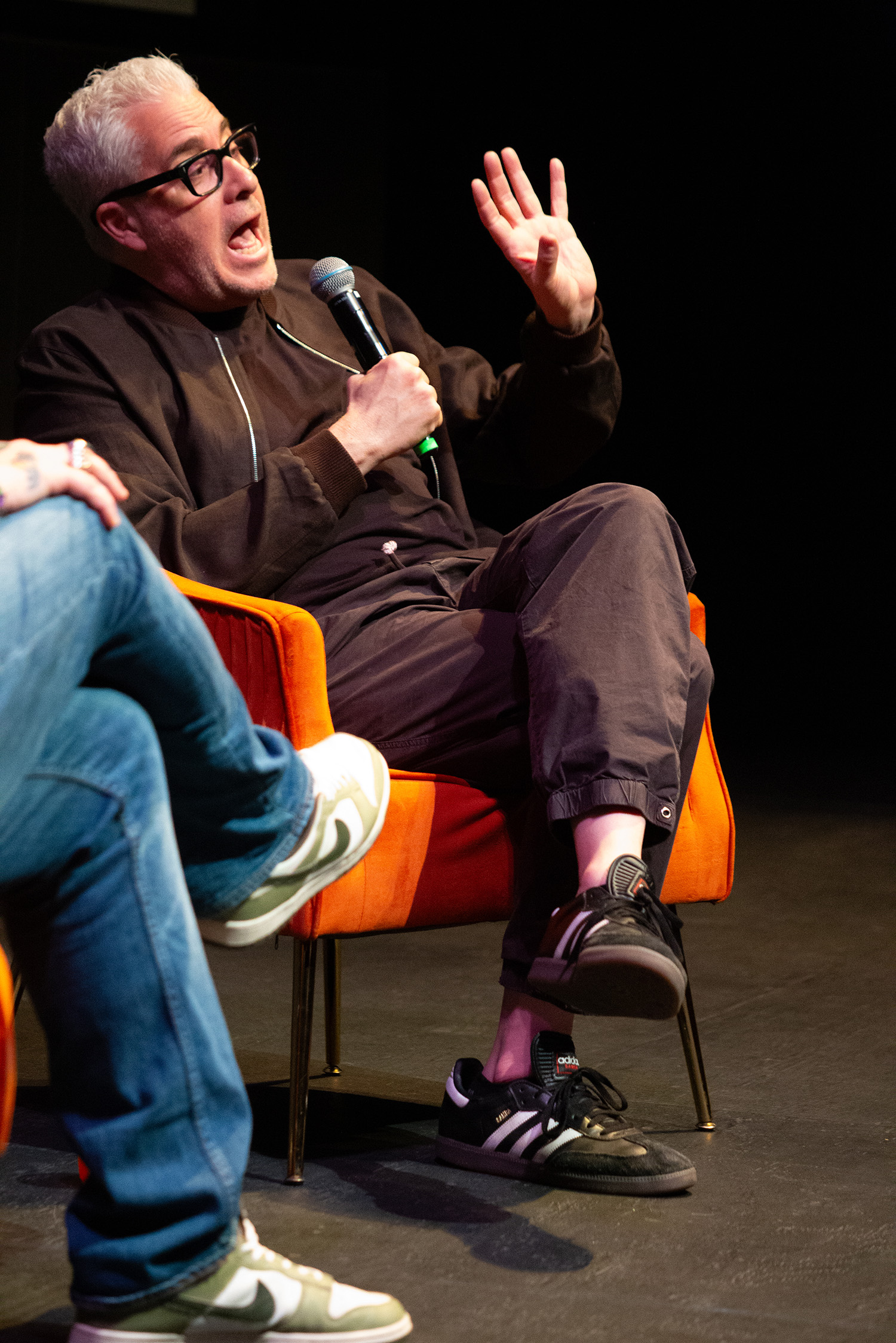
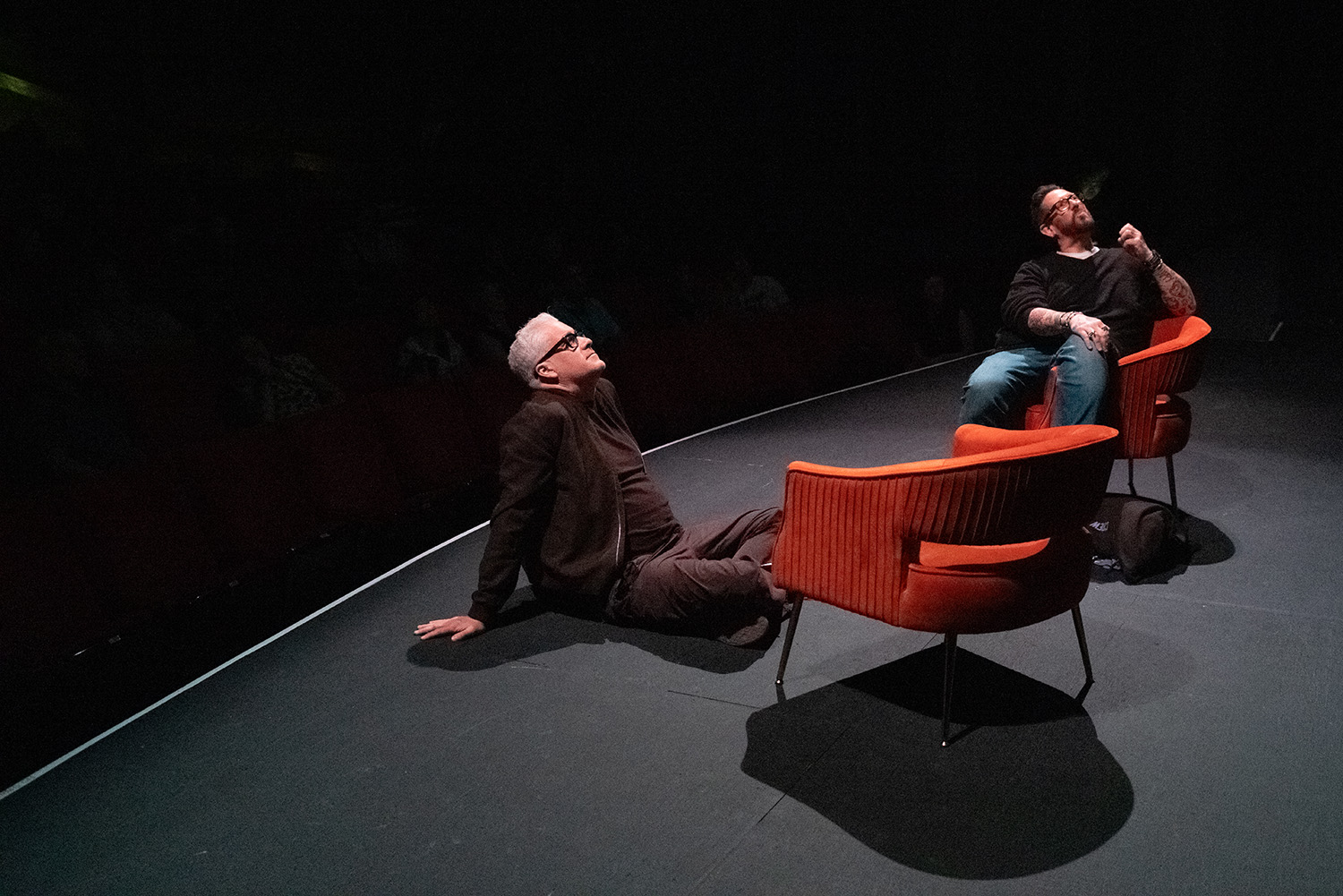
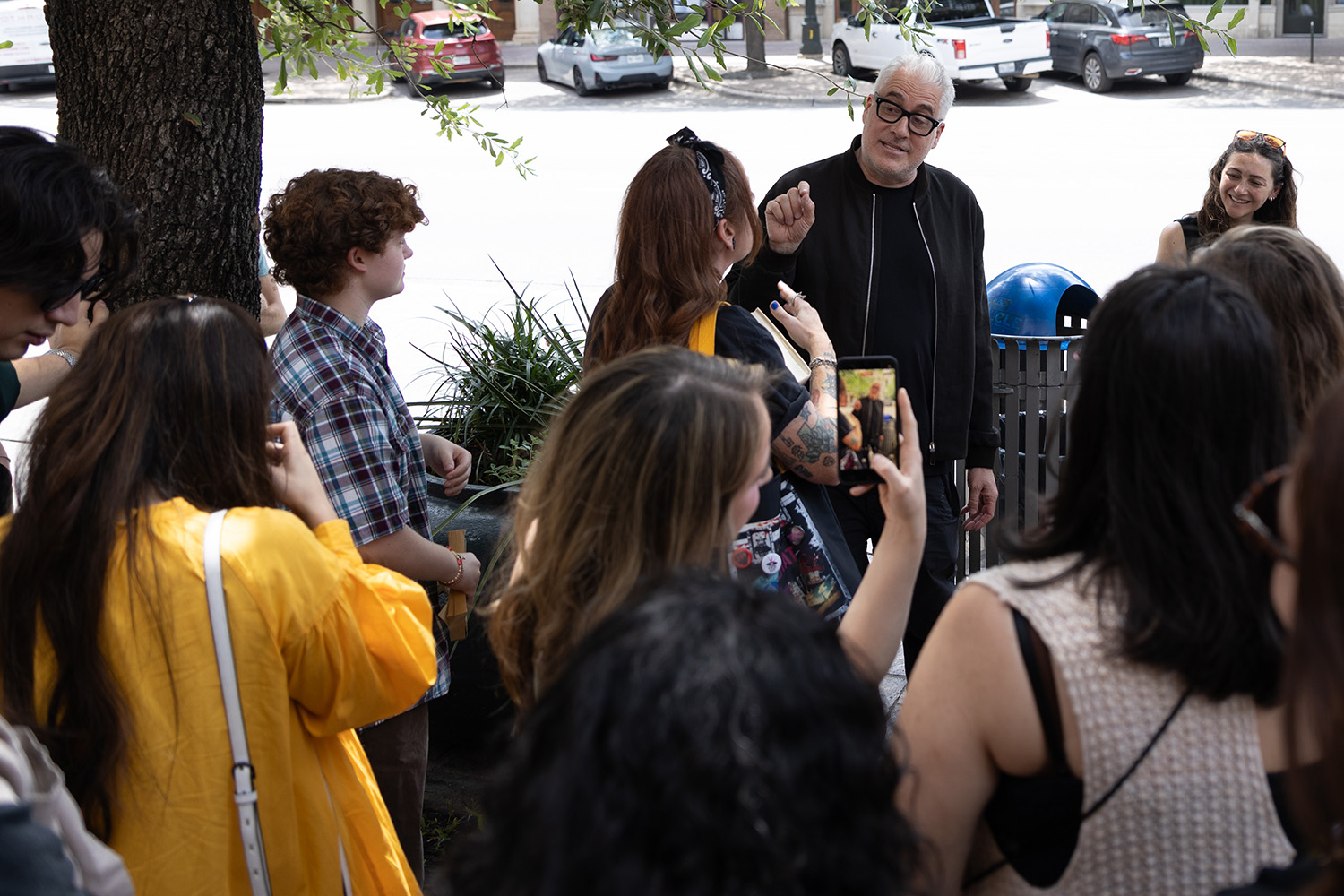
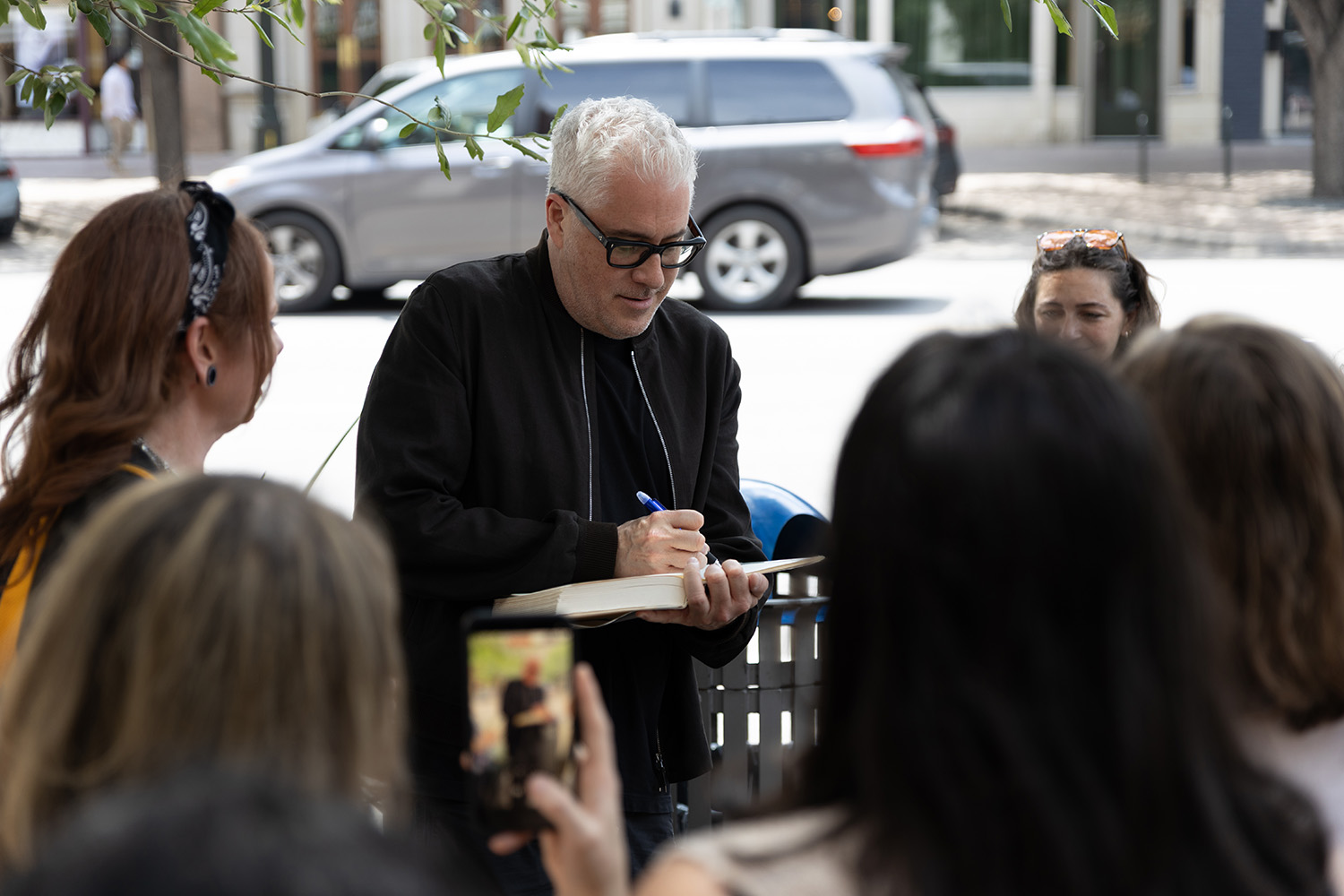
Following the panel, Jones also spent more than an hour outside in the Texas heat, answering any question fans wanted to ask him, from Florence Welch to the “Armand is Alice” fan theory.