Well. It’s finale time.
Rather than building toward another action set piece, Hannah Moscovitch turns the finale inward. The episode unfolds almost like a play, using long conversations and intimate confrontations to force each character to reckon with the truths they’ve spent years avoiding. Lestat puts his life on trial. Louis and Armand finally have the messy divorce they should have had decades ago. Daniel, carrying the severed head of the man who’s spent the season talking down to him in a bowling bag, finally gives voice to his anger, only to discover he may not have as much control as he believed.
Nobody in this hour gets to hide.
And what is the sum of that truth? Is it tragedy or triumph?
It’s one of the most theatrically confident hours of television I’ve watched in a long time. Let’s get into it.
We eat your soul at the long table
We pick up where episode six left us, with Lestat’s head recently separated from his body, courtesy of Daniel and Armand. And we go immediately inside Lestat’s head.
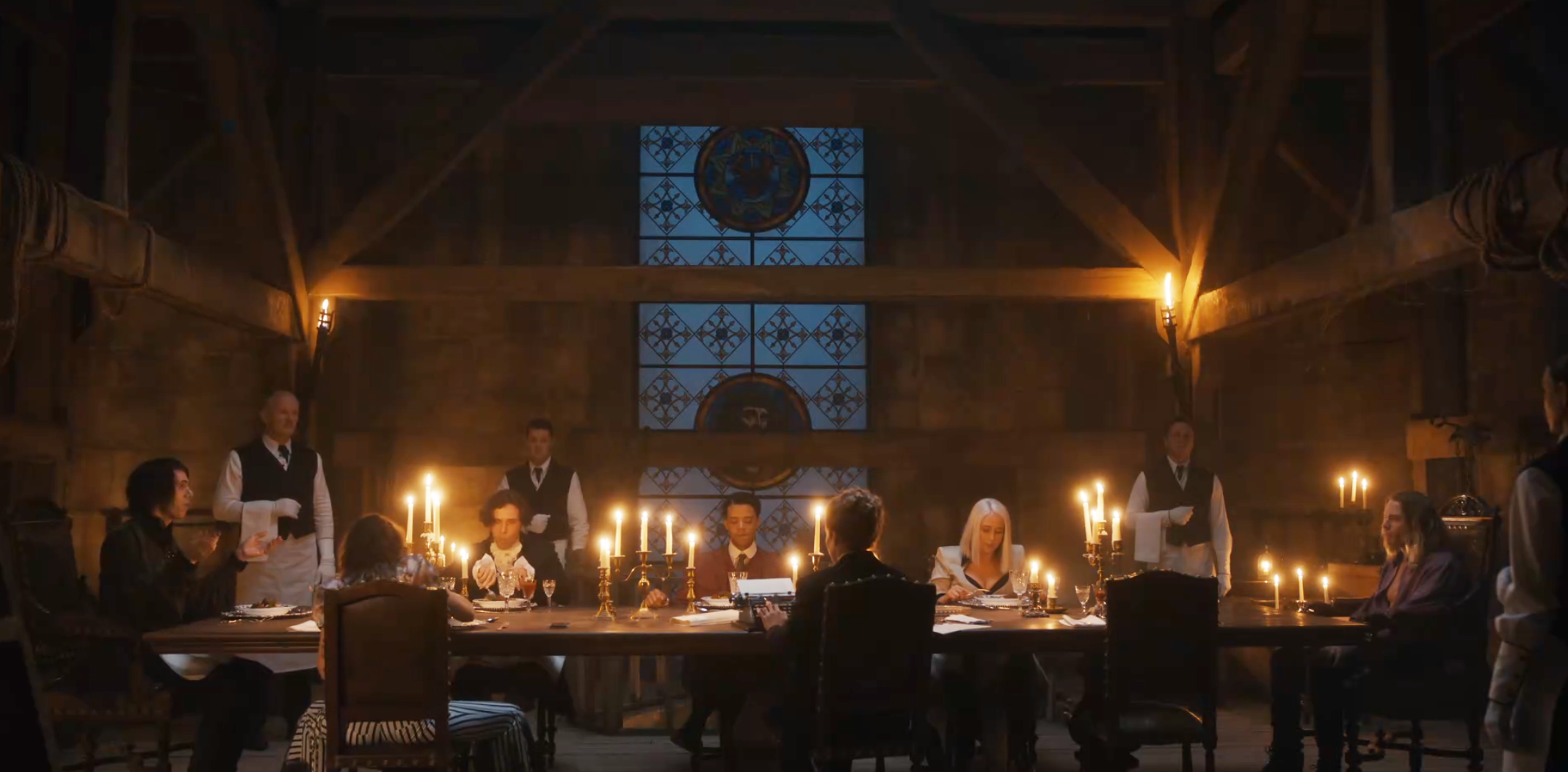
He’s walking through a forest in broad daylight. Waiters carry silver trays between the trees, leading him to the long table that’s been following him all season. We’ve seen versions of it in the opening titles, in Lestat’s memories of Auvergne, and Magnus even referenced it when he crashed Lestat’s thoughts earlier this season.
Here, it’s filled with different versions of Lestat himself: a little boy and a teenager, joined by the abbot who was his teacher.
Then the setting shifts, still at the long table, and we are in Magnus’s tower. The guests have changed. Lestat’s vampire family has arrived: his “father” Magnus at the head, and around him his fledglings Gabriella, Nicki, Louis, Antoinette, and Tough Cookie. Claudia’s chair is empty.
“She said all she needs to say to you,” Magnus tells him.
Claudia already got her reckoning last week. She doesn’t owe Lestat another conversation just because he’s dying. If this is about Lestat finally facing the truth about his own life, then he has to do it without asking Claudia to carry any more of that burden.
They are consuming courses 187 through 214 of Lestat’s soul. A countdown timer runs above the room, measuring how much time Lestat’s head has left.
This is Lestat’s trial. It also feels like a subtle callback to the season opener, when we learned that the pieces of his life would one day be sold off at auction. Here, at the end of the season, the pieces of his life are being assessed for value in a different way. In Lestat’s dying mind, his own vampire family becomes judge and jury, deciding the worth of his choices, his relationships, and ultimately, his life. And really, because it’s all in his own head, it’s Lestat judging the value of his own life.
For me, it’s a lovely way to bookend the season.
Magnus presides over the deliberation to start, and they walk through Lestat’s failures like accountants flipping through a ledger. He abandoned the Paris coven. He failed as a leader to every fledgling he ever made. The list is extensive.
Only Gabriella at the table seems interested in bringing up anything good about her son. Which is why Lestat, mid-tribunal, suggests they swap Magnus out for Gabriella as chair of the proceedings. They call witnesses, including the opera singer Lestat murdered for a subpar performance of Don Pasquale. Marius shows up too, mostly, it seems, because Marius enjoys passing judgment.
The countdown ticks down.
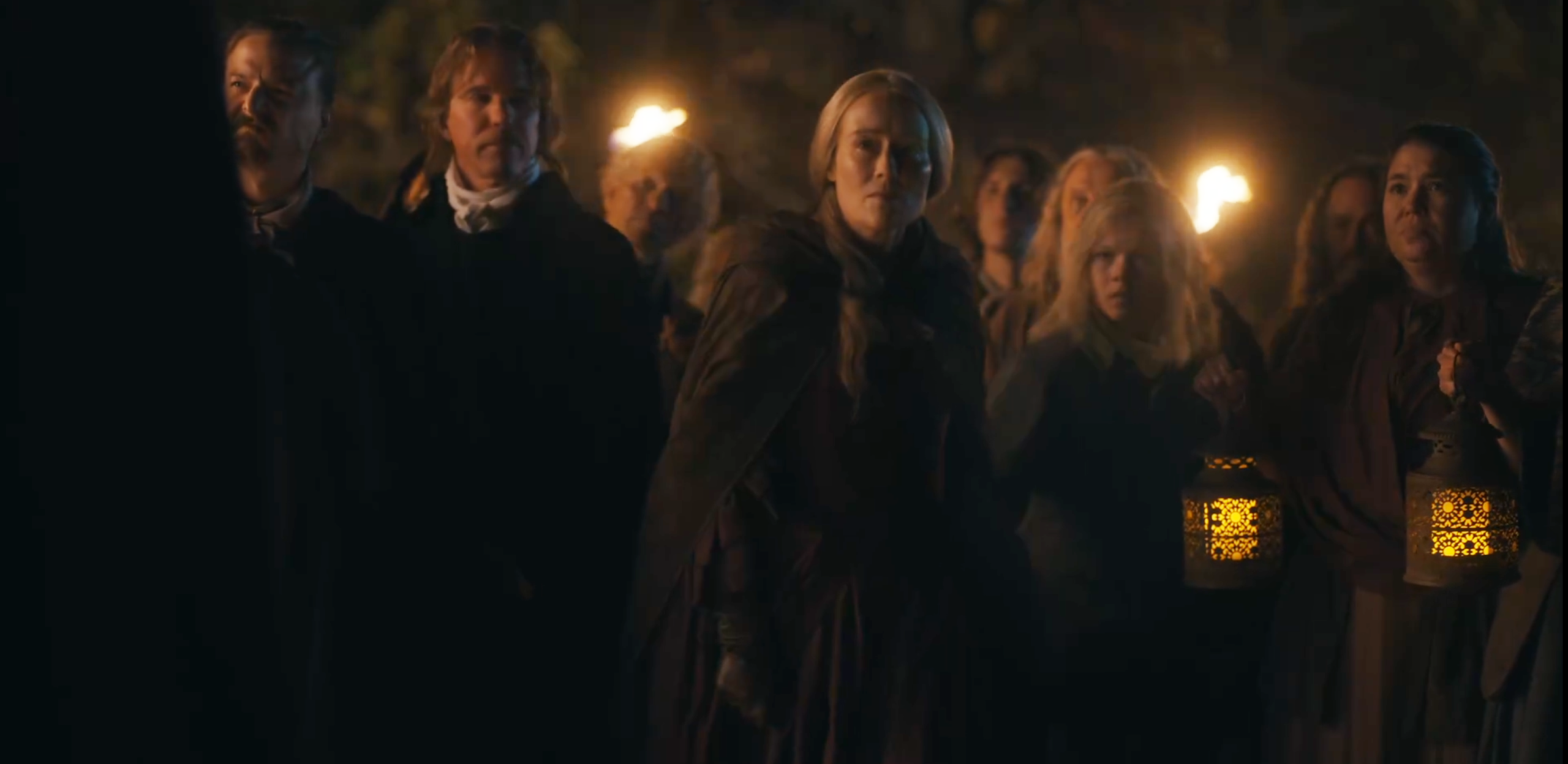
The Witches’ Place
As they berate him for his failings, Lestat’s mind drifts back to a childhood memory from Auvergne. Gabriella took him, as a child, to the Witches Place, where young women accused of witchcraft were being burned alive, including a girl his own age.
When Lestat pushes her on why she took her son to such a horrible, traumatic thing, Gabriella’s answer is surprisingly simple: She wanted him to see what that village really was. She wanted him to understand he had to leave, because if he stayed, it would destroy him too. In her own cold way, she was trying to save his life. This is her form of love.
But I also think it is Lestat finally recognizing the horror of Gabriella, the ways in which her love was always twisted and harmful for him.
It is a devastating parallel to what Lestat did to Claudia with the incinerator back in season one, when he forced her to watch her lover Charlie’s body burn after she had accidentally killed him. He refused to let her look away because he believed she needed to see it, just as Gabriella had done to him here.
These are the traumas we pass on, the bloodline of that particular kind of “love”. Each of them believed they were preparing someone they loved for a cruel world, but instead they just continued the pattern of hurt.
We’ll come back to Lestat.
Armand and Louis
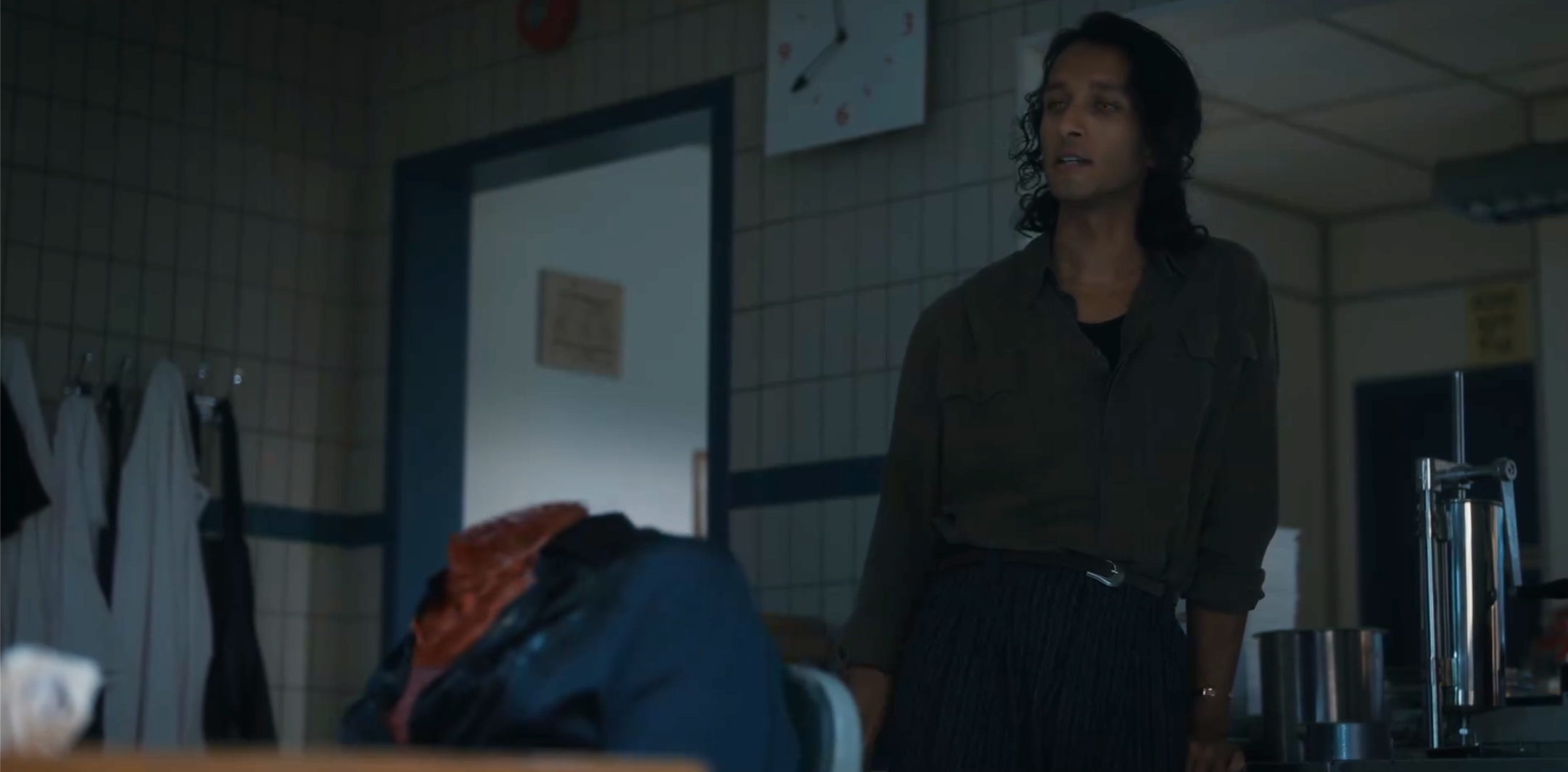
In the less metaphysical part of the episode, Armand has Louis’s head. Literally, skewered on a butcher’s block in front of him.
He’s here to deliver another of his “Armends” letters, opening, as always, with, “I have been enduring intense conversations with myself…” It’s the same opener he has used with Daniel and Lestat, but where Daniel’s letter felt sincere and Lestat’s letter was performative, this one is all fury.
Assad Zaman is doing the most electric work of this entire series in this episode. Everything Armand has been swallowing since Dubai comes out of him. Every ounce of rage and humiliation and adrift-ness he has been stewing in for three years, in the wake of the collapse of his 77-year relationship with Louis crumbling and his lies exposed.
In Armand’s mind, the scales have tipped and need to be readjusted. So he spent three years doing what only Armand would do with grief that big: He built a plan.
“I think you’ve wronged me, and I think you know the specific ways in which you’ve done it,” he tells Louis.
More than revenge, Armand wants acknowledgement. He needs Louis to say out loud (and, apparently, live-cast to a room of people in Budapest, with Dr. Farheed monitoring Louis’ vitals under what looks to be duress) that he caused harm to Armand.
It is, essentially, the fallout of their “divorce”, and Armand needs closure. He is someone who desperately needs structure — it’s why he spent centuries running an underground Paris coven, and why he worked as a theatre director for over a century as well. He doesn’t love change, and he needs his rituals. I do think, in a way, this is also Armand’s response to AA. Armand has clearly heard people talk about taking a moral inventory, admitting the exact nature of your wrongs, and making direct amends wherever possible. He just… turned the volume up to a level no sane person ever would.
That is the horrifying comedy of this. He genuinely thinks what he’s doing right now is healing.
And this time, Armand fully lays his cards on the table. The trial in Paris was a lure, and he wanted Louis to die. “I took aesthetic pleasure in making your death visually exhilarating,” he explains. Armand also admits to taking credit when Lestat saved Louis’s life, that he welcomed Louis’s cheating throughout their relationship because it gave him more “hours of observation” with Daniel (we’ll come back to that), even that yes, he did hide the Fred Stein photographs in Louis’ collection, simply to fuck with his head. Truly no one on this show is funnier than Armand.
Then comes perhaps the biggest revelation of all: Louis meeting Regina wasn’t chance or fate. Armand went looking for Claudia’s doppelgänger. He found Regina, got inside her head, and quietly shepherded the entire reunion into existence.
Nobody, and I mean nobody, plans a revenge like Armand.
He also tells Louis that he has about 100 followers now, who believe they are working to stop the Great Conversion, but really Armand just needed them to help put his plan of action into place with Louis. Now, I don’t fully believe Armand here, as I do think he genuinely opposes the Great Conversion. But I do buy that he does not give a shit about the specific hundred vampires who signed up, and that they are simply a means to an end.
I saw good in you for awhile
Finally, Armand raises the stakes. Louis can write his own letter, admitting his failures… or Armand will chop off Regina’s head and sew Louis’s onto her body.
Regina, quite understandably, begs Louis for forgiveness. She had no idea the man she met was capable of… well… all of this.
Armand explains something here that I think is the emotional key to understanding his entire relationship with Louis. “You were my Claudia,” he tells him. Just as Louis spent decades haunted by the guilt of failing Claudia, Armand has spent nearly a century carrying the guilt of failing Louis. Believing he had wronged him beyond repair, he stayed for 77 years, hoping that simply remaining by Louis’ side might eventually earn him forgiveness. As he puts it, “I wasted a near century, and that is not nothing. That deserves amends.”
He’s not only angry at Louis. He’s angry at himself. Angry that he spent 77 years trapped in a relationship neither of them really knew how to leave. Angry that he devoted nearly a century trying to atone for something he could never undo. Now, he’s trying to force some kind of ending, any ending at all.
Only, because he’s Armand, “closure” comes in the form of psychological torture, livestreams, and elective decapitation. No one has ever accused this boy of being mentally stable.
Finally, with a knife at Regina’s wrist and Armand preparing to force her to open her own veins, Louis gives him what he’s been asking for. Speaking through Armand because he’s too weak to speak for himself, Louis begins his amends by admitting that the love of his life has always been Lestat. That he knows what it’s like to build a house on top of a lie.
At first, it sounds like Louis is talking about Lestat, about the ways he lied to himself throughout that relationship. But it quickly becomes clear he isn’t talking about Lestat at all, but rather Armand. He’s acknowledging that, for 77 years, they built a life together atop a foundation he knew was rotten.
Then the conversation shifts.
“You got some reason to be dark-sided, Armand,” he tells him, and begins to speak about Armand’s past as Arun, as a 12-year old boy sold into a brothel. The trauma at the very root of the man sitting in front of him.
Armand immediately shuts off the livestream. This moment is too personal.
“My coldness, my denial, drove you to this,” Louis says, taking a responsibility for his own part in the near-century they lost. He’s not absolving Armand of everything. In fact, Louis has made it clear multiple times here that he’ll never forgive him for Paris. But forgiveness isn’t really what he’s offering here, but rather understanding.
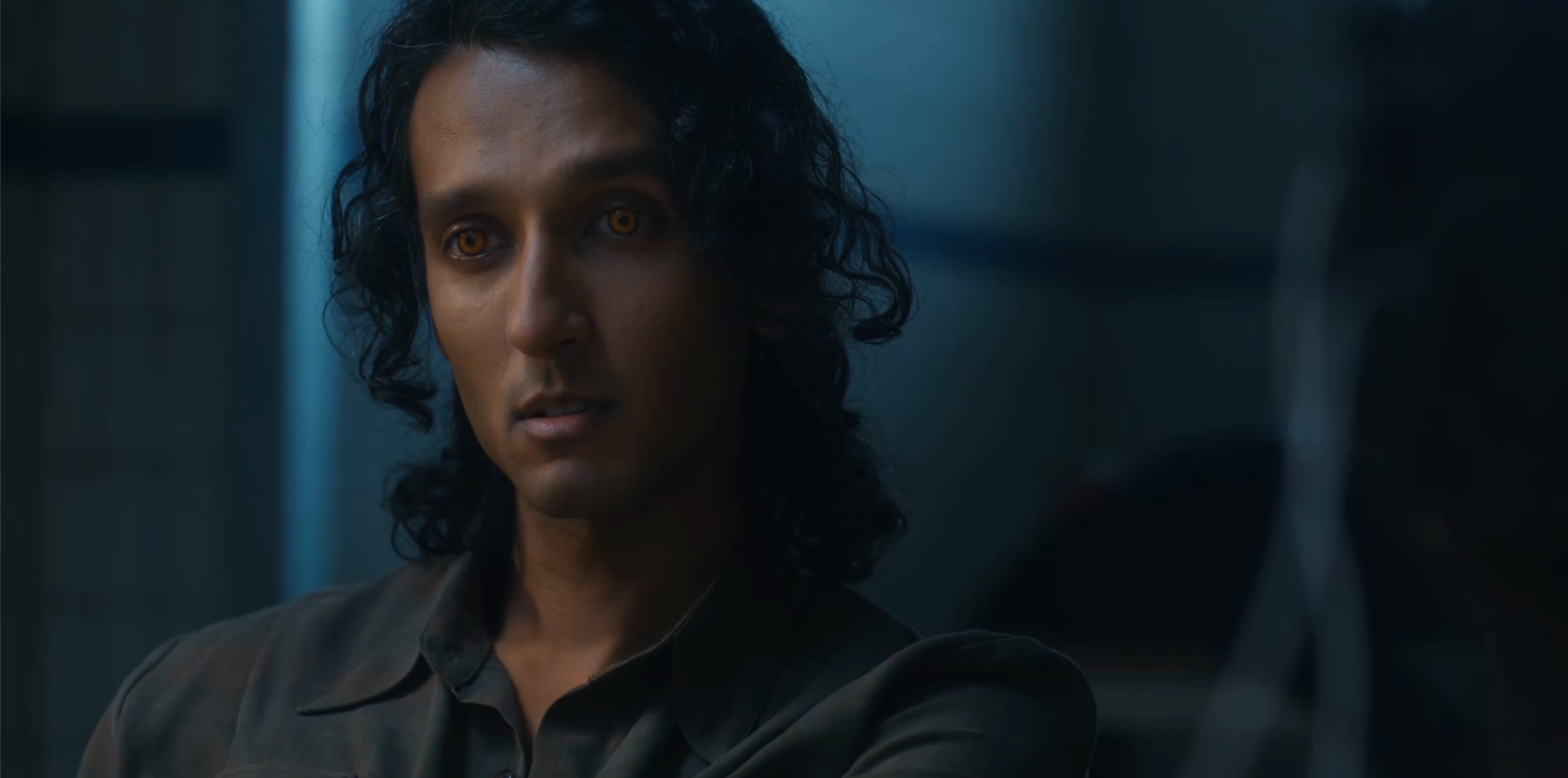
“I saw good in you for a while,” he says. And Armand breaks.
Assad Zaman has always been one of this show’s secret weapons, but this is the finest work he’s done yet. In a matter of seconds, he transforms Armand from the calculating gremlin into someone almost unbearably vulnerable, without ever losing sight of who this character is. You can watch decades of shame, loneliness, and self-loathing wash over his face as Louis tells him that somewhere beneath Armand, he can still see Arun.
Of course, Louis is not being blindsided into compassion. He’s saying this in part as it likely feels like the only possible way out of this situation, but I also think there is plenty of truth within his words. There’s a genuine acknowledgment here of his own emotional distance, of the ways his coldness and denial helped sustain the unhappy life they built together. And, most importantly, Louis tells Armand that the fact that Armand was a sex slave as a child, as Louis spent the better part of his human (and some of his vampiric) life as a pimp, was never lost on him.
At the same time, this compassion isn’t entirely new. Louis has been carrying it for a long time, even if he could never admit it before now. When he first became Armand’s maître in the 1940s, I think it wasn’t simply about establishing some control in a deeply unbalanced relationship. Louis had heard Armand’s story, and in his own imperfect way, I think he wanted to unburden him by offering something he knew Armand wanted, maybe even needed. Louis once saw Arun, and he wanted to take care of him. That version of Louis became buried beneath decades of resentment, manipulation, and all the ways their relationship twisted itself into something neither of them knew how to escape. But it never disappeared completely.
This is also the culmination of Louis’ own journey this season. After witnessing Lestat’s breakdown and finally understanding the pain that had shaped him, Louis has finally learned to look beyond the harm someone caused and see the real person beneath it. For perhaps the first time, he stops thinking about what someone has done to him and instead asks what happened to them. In this moment, he chooses compassion over judgment.
As Assad Zaman said in an interview earlier this season, this may be one of the first times Armand has been genuinely understood. Even for just a moment.
It moves Armand deeply. This is the actual healing he’s been searching for, even if it came in a way he clearly didn’t expect.
So he lets Regina go with a soft warning (also giving Louis, in some way, a chance to finally “save” his Claudia stand-in), and allows Louis to go as well, head and body intact.
A love that will cradle you
Did you really think I wouldn’t have a Devil’s Minion section in here?
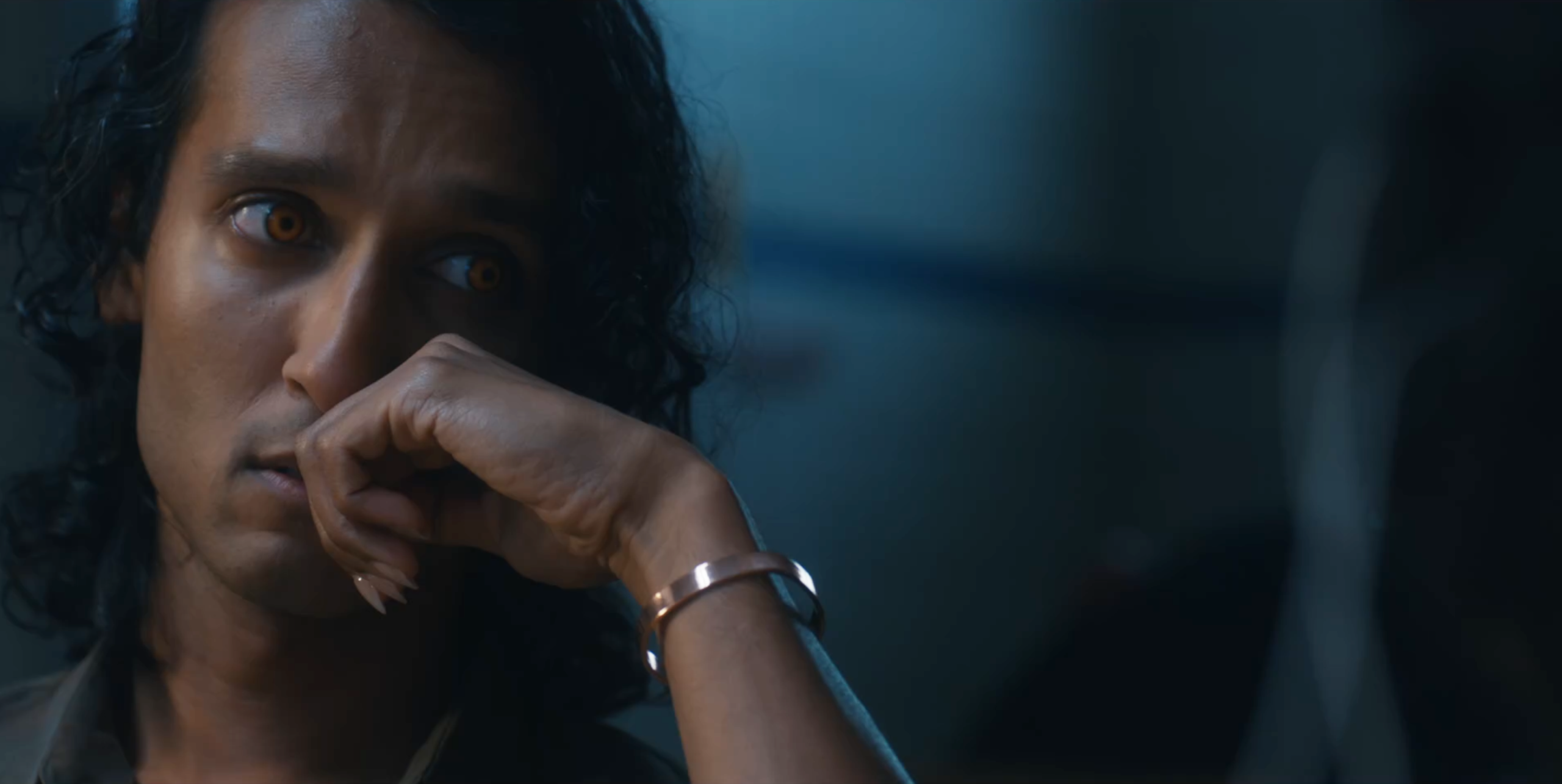
Earlier in the episode, Armand said something that I think truly speaks to how he views himself. “I think I might be a room without walls, floors, ceiling. An infinite nothing,” he tells Louis.
It immediately reminded me of his comment to Daniel back in 1970s San Francisco, when he described him as “an eager black hole.” Both characters are mirrors of each other in that way, both deeply broken, with a bottomless well of darkness and need.
Daniel has spent his life trying to fill it with work, stories, drugs, and anything that might quiet whatever’s missing inside him. Armand has spent centuries trying to fill his with anything he thinks might stick, whether it’s covens, relationships, or rituals that convince himself he’s in control of his own life.
But I have hope these two can be that for each other. I’m still not convinced, even with the “companion” mention, that these two truly are romantically together yet, but I think it’s a solid case for why Daniel and Armand make sense for each other. Just, for god’s sake, let us see it on screen, show.
“You need a love that’ll cradle you,” Louis tells Armand before he goes. If that is the Devil’s Minion crumb we are meant to hold onto for the next two years, I am clinging to it like a beautiful lifeline.
Meanwhile, at a bowling alley
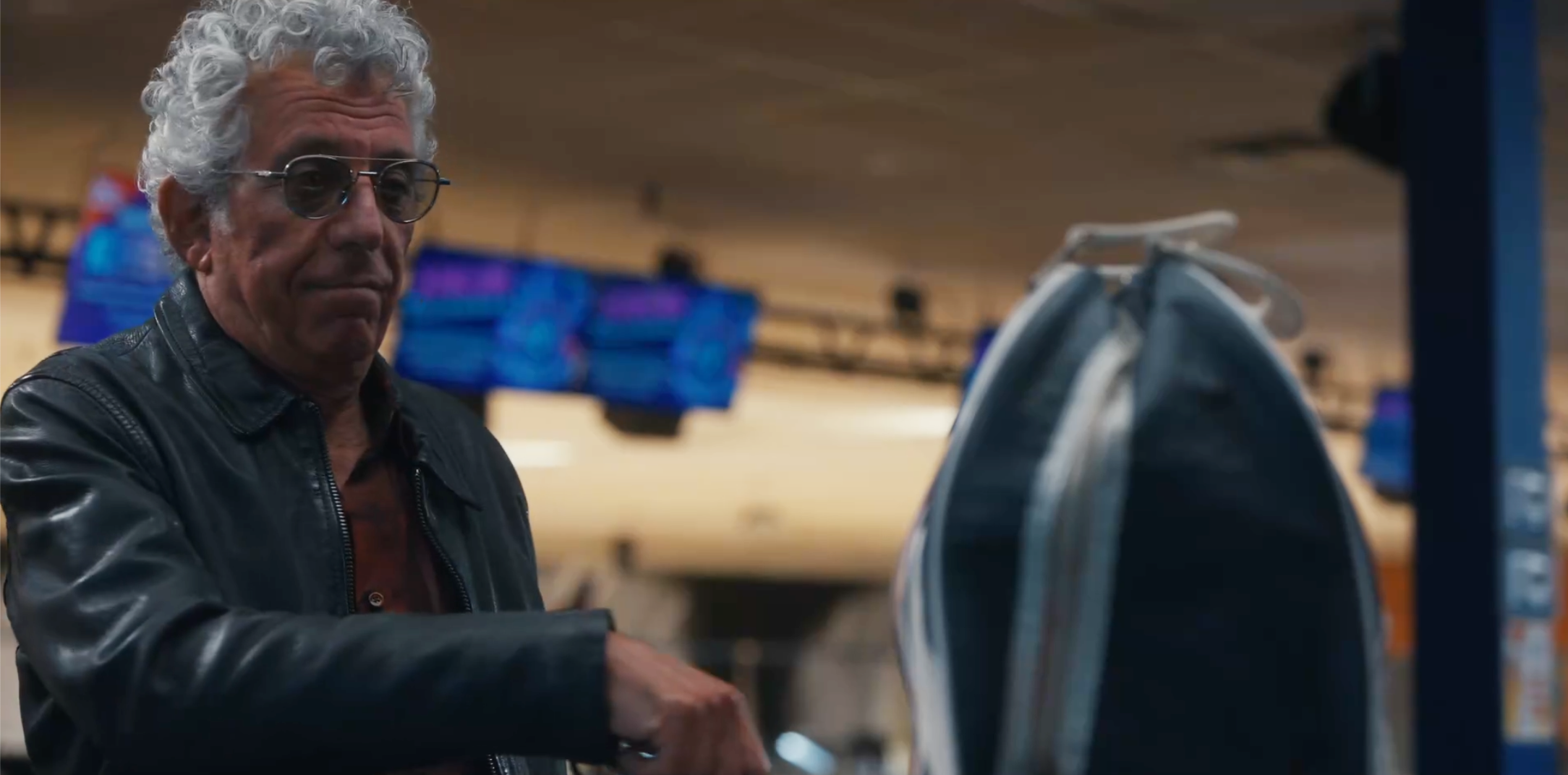
Elsewhere, Daniel has Lestat’s head. Naturally, he’s taken it to a bowling alley.
Daniel is still angry at Lestat — for thinking he’s better than Daniel, for ruining his documentary, for a whole season of small humiliations that have clearly festered in the months since the beheading. Probably, with plenty of help from Armand. At least for the moment, Daniel seems perfectly content to let Lestat die.
Alex eventually arrives, and… something feels off. He barely speaks throughout the entire scene. Daniel makes a genuinely tasteless joke about his “autism gift,” but he’s not wrong that Alex is behaving strangely here (and how did Alex even get here, can he also daywalk?). He’s unusually quiet, oddly detached, and at one point remarks that he’d still like to play the concert. It’s a bizarre thing to say for someone who just, uh, helped separate the headliner from his head.
Raglan James and the Talamasca also arrive. They are here for Lestat’s head, as they want the concert they’ve been seeding to happen. And it appears there’s not much Daniel can do about it.
Raglan makes one last crack, suggesting Alex should open the concert with “Big Boss” about Armand, and for Daniel, it’s the final straw. By this point, it feels like he has almost nothing left. Since his turning, he’s been searching for something to anchor himself to, throwing more and more of himself into the documentary, only for it to collapse before his eyes. Then Armand handed him a new purpose in this revenge plot, and now that’s being stripped away too. Raglan treats him like an inconvenience, another obstacle to step around, while reaching for the one thing Daniel still has any control over.
So Daniel bares his teeth. And then…
…we cut away.
Lestat takes the stage
Let’s get back to Lestat, though, who gets the most beautiful section of the episode.
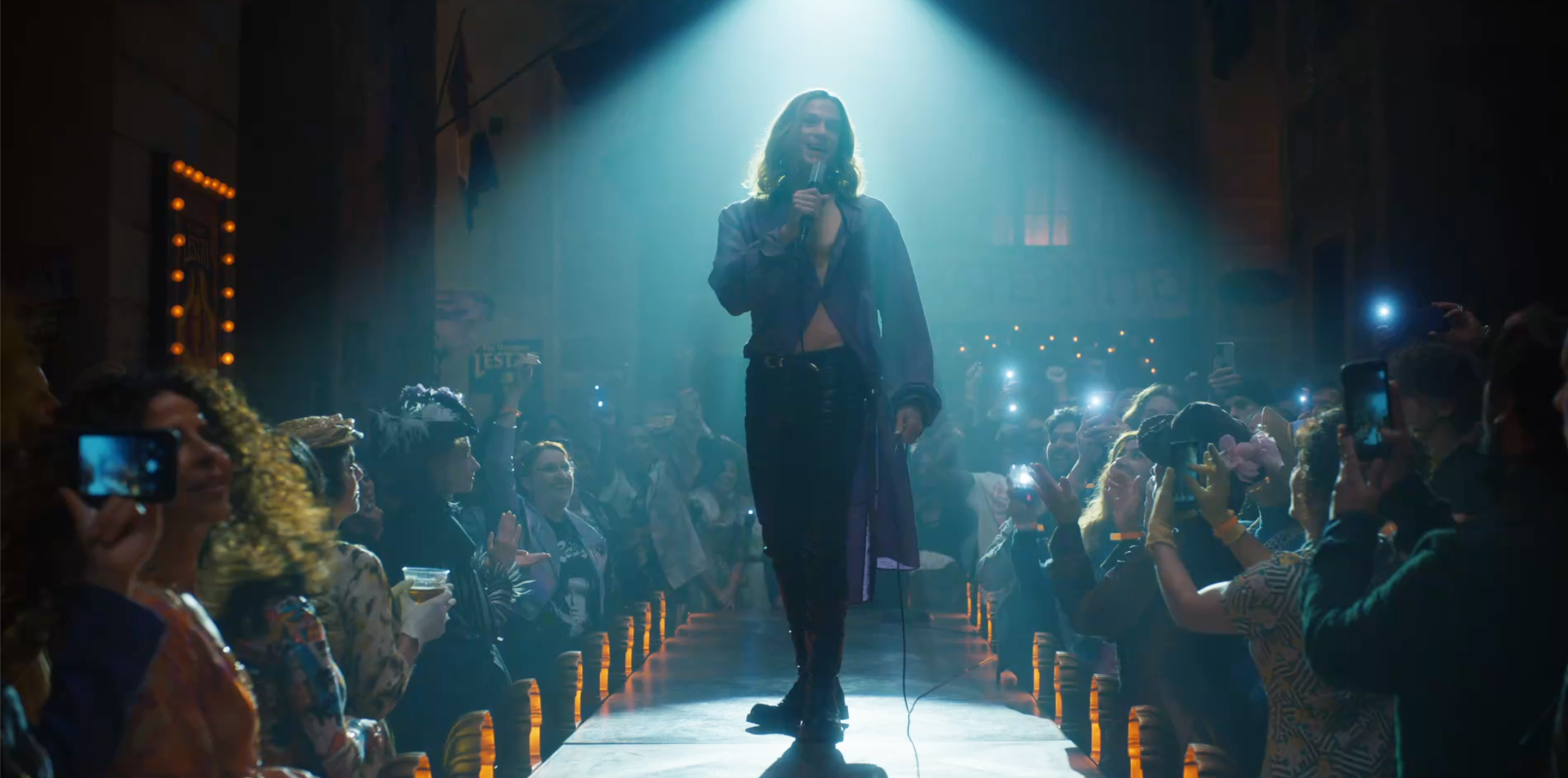
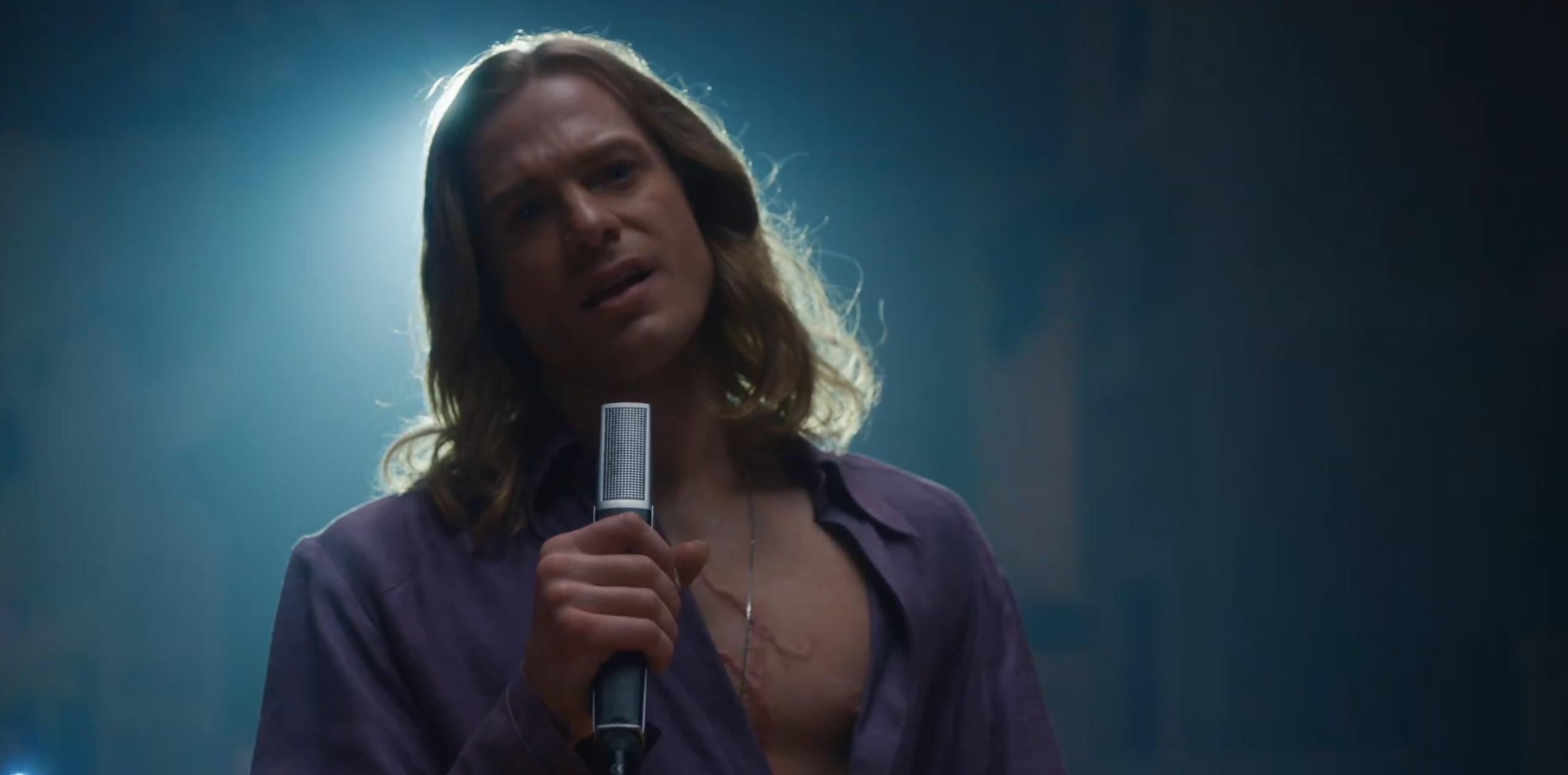
The long table keeps working its way through Lestat’s life, one failure after another after another, and something finally snaps in him. He’s had enough of this judgement, and it’s time to take matters into his own hands. Time should be running out, they should be pronouncing him finished. Instead, Lestat, even inside his own dying mind, defies expectations. He tosses the beeping timer aside and climbs onto the table, hijacks the meeting entirely, and transforms his judgement into a concert.
It’s a gathering of everyone he has ever failed or murdered, now his captive audience. “Congratulations for your historical proximity to me!” he declares to the room.
All season long, Lestat has insisted that his music is about reclaiming his own story in the wake of Interview with the Vampire. But has it really been? Or has he simply been replacing one performance with another, dressing half-truths in eyeliner?
This feels different. For perhaps the first time, Lestat looks directly at the sum of his existence and decides it is enough. “Recent findings of the many I loved most found my life to be a failure,” he says. “I think in the end, I was pretty fucking great.”
And then, in a line that I think sums up the overall theme of the season, he declares, “If I failed, then that means I actually attempted something.”
This is who Lestat really is. He doesn’t think he got everything in his life right, but he also refuses to measure a life by its mistakes alone. He loved messily and cruelly and enormously and out loud. He tried, he failed, he got back up, and tried again. And in the accounting of a life stretching centuries, that’s the argument he wants entered into the record. At least he tried.
It’s beautiful.
He speaks of the love that shaped him. Is he addressing Louis? Gabriella? It’s both. “I loved you, I really did. As grotesque as that love appeared to you, I did.”
And I don’t think, in the end, he needs anyone to agree with him. He simply needs to say it, to put it into the world without dressing it up or softening its edges. Whether the people he loved accept that version of him is no longer his decision to make. He’s finally said his truth, and whatever judgment comes after that no longer belongs to him.
Paul
His life flashes before his eyes. His time is truly running out.
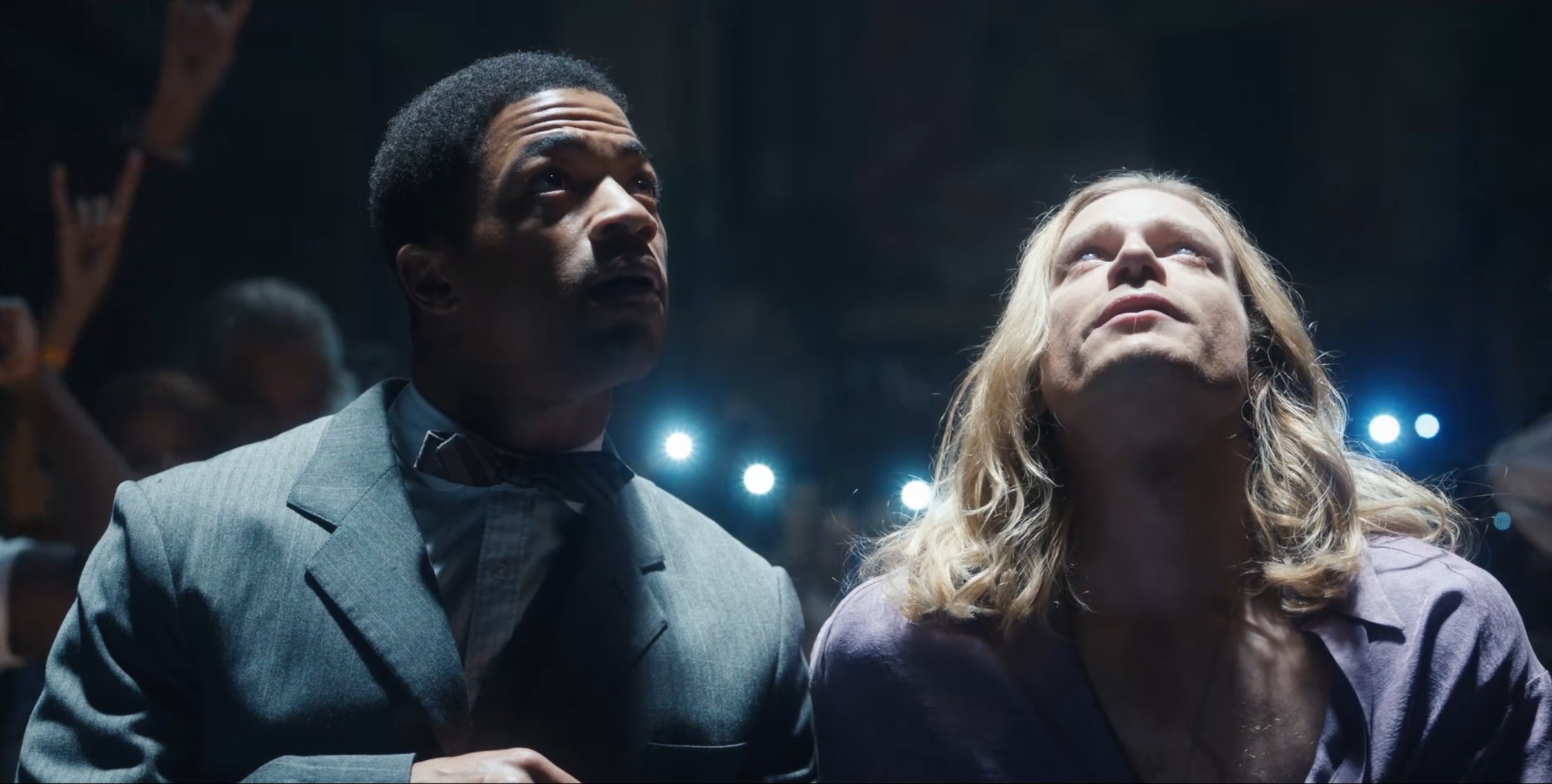
And then an unexpected visitor arrives, in the form of Paul, Louis’ brother, who committed suicide in the first episode of the series. He sits with Lestat now, and it’s implied he’s here from heaven. Is he also just another figment of Lestat’s mind that it’s conjured up, or is something on a greater plane of existence happening right now?
He tells Lestat something Louis has never quite been able to say himself: That Louis has always struggled to tell the people he loves that he loves them, but that doesn’t mean the feeling isn’t there. Paul also thanks Lestat, on Louis’s behalf, for loving Louis the way Louis needed to be loved, which is a beautiful callback to Paul’s own wishes for his sister Grace at her wedding in season one.
The real sum of Lestat’s life, in the moments before his death, is that he loved Louis. Not perfectly, not always well. But oceans of love, coming from both of them, in eternal waves.
Then a light appears overhead.
Lestat looks up to find delicate silver threads stretched across countless others, glimmering above him. This is the Sacred Core, the invisible web that connects every vampire on earth, the one thing they all share. And in what he believes are the final moments of his life, he looks up at it in awe…
It’s also unmistakably the show opening the door further to the mythology that will define season four.
The show must go on
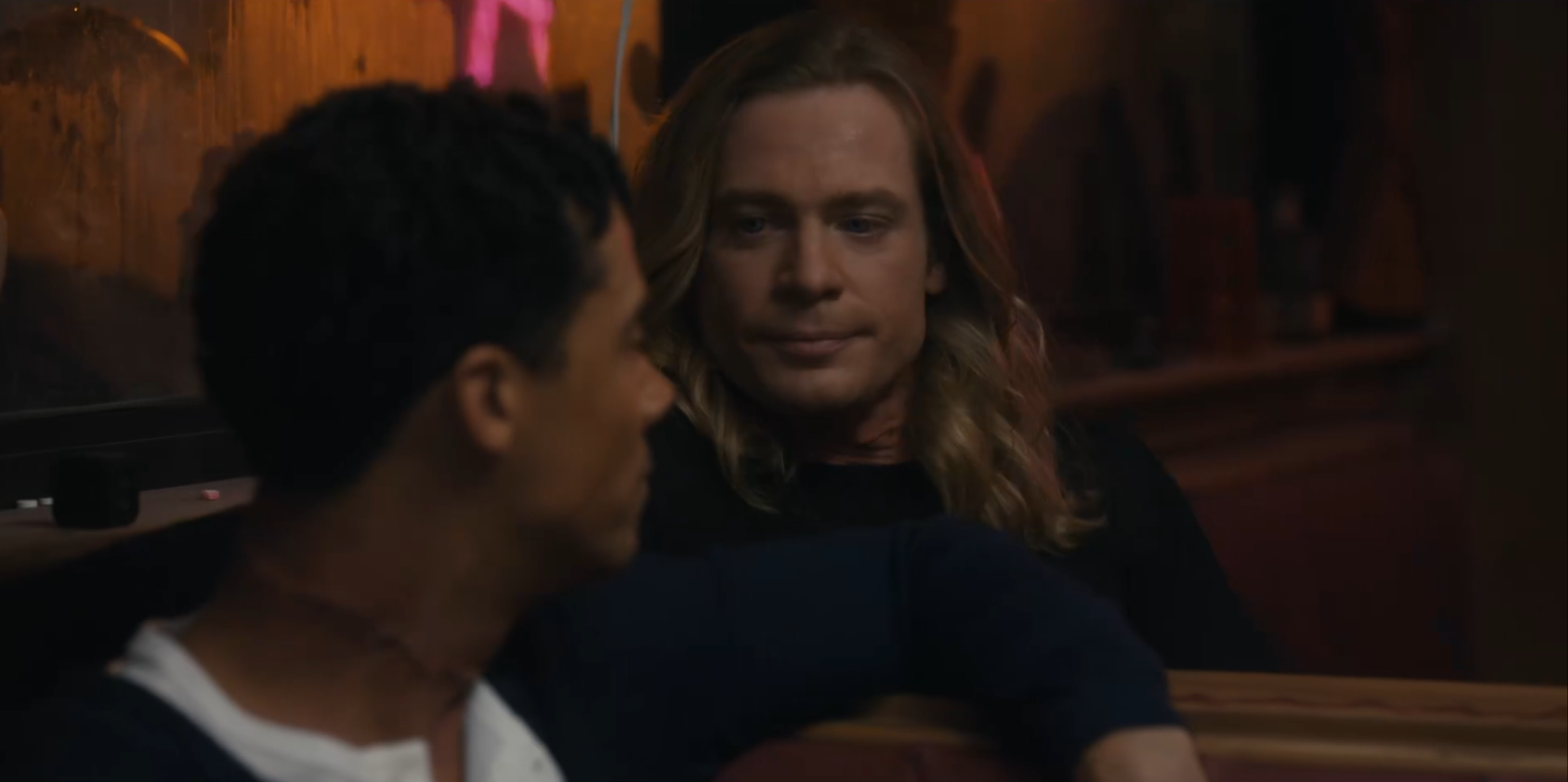
Lestat wakes on the tour bus, head and body reattached.
And for the first time all season, he doesn’t want to perform. He doesn’t want any of this anymore. After everything he has just confronted inside his own mind, after finally making peace with the life he’s lived, the concert and the music suddenly feel beside the point.
But Gabriella is there, as is Raglan James, and between them they push him toward the stage anyway. (Though with Raglan here and Daniel nowhere to be seen, just where has Daniel wound up? That’s a mystery for season four.)
In one of my favorite moments of the entire season, Lestat screams at Gabriella that she’s a monster. His eyes are finally open to his mother dearest. For so much of his life, Gabriella has been the one person Lestat could never see clearly. He worshipped her, excused her, chased her approval even after she repeatedly showed him she was incapable of giving it. But after reliving his own life, confronting his failures, and finally understanding the people he has hurt, he can no longer look away from the truth. For perhaps the first time in centuries, he sees Gabriella exactly as she is, rather than as the mother he spent his entire life wanting her to be. This is huge character development for Lestat, and I’m so excited to see him openly oppose her more in season four.
We don’t actually get to see the concert itself just yet, though we know the ultimate outcome is catastrophic because Lestat has been telling us as much all season.
More than that, though, we finally see the aftermath. We get a brief flash forward (though not as far as into where we started the season), as Lestat steps onto the balcony of his home while recording “The Failures.” Around him, the world has been leveled. Whatever happens at that concert — presumably Akasha awakening in response to Lestat’s music — doesn’t stay contained. It’s going to ripple outward until it changes the world itself, and it leaves us with a haunting final image: a Lestat who has finally learned to accept himself, standing in the ruins of the world his own music helped create.
“The fault was mine,” he says. “All mine.”
Still a failure. Still persisting.
Other thoughts:
- Ultimately, this is an incomplete story. As showrunner Rolin Jones keeps telling us, this is part one of a two-part story. So will some of the things that have frustrated some of us about this season be resolved in part two (mostly to do with pacing and certain aspects not being explored as fully on screen as we had hoped)? I mean, I sure hope so. And I have real hope that’s going to be the case. Queen of the Damned is the first of Anne Rice’s books to explore multiple narrators, and based on Rolin Jones’ comments on The Vampire Lestat: After Dark, it certainly sounds like that’s a structural element we’re going to have in season four. And as someone who thinks “Don’t Be Afraid, Just Start the Tape” and that singular focus was the single best episode of TV this stellar TV show has ever done, that may actually be the thing I am most excited by.
- There are so many interesting things about the overall The Vampire Chronicles happening in this episode that I would love to talk about, but San Diego Comic-Con is just days away, and I simply do not have the time right now. But The Sacred Core (especially with all of the Amel mentions we’ve had thus far), the implication that Lestat views Raglan as a friend in the future, and what that could mean for The Tale of the Body Thief? Just know I’m thinking lots of thoughts, and you should be too.
- This whole episode is a love letter to Louis and Lestat’s love for each other, even though they physically share only one scene together on the tour bus at the very end. Every storyline bends back toward them. Armand’s revenge exists because he could never replace Lestat. Paul’s final message is about Louis’s love for him. Even Lestat’s dying thoughts return, inevitably, to Louis. Louis admits the same in his own dying. Everything circles back to them, for they are the gravitational center of each other’s lives, and this series.
- I am still frustrated that so much of Daniel and Armand’s relationship (in whatever form that currently stands) is happening off-screen, but again, holding out hope that we will revisit much of this in season four, and this was all just setting the table for that…
- But given that Daniel and Armand are currently separated heading into the concert, how long are we going to have to wait for another scene of them together physically in the present day after this season’s paltry sample size? Will it be two years again, followed by multiple episodes of separation? Ugh.
- But look, if we get that Night Island spinoff at the San Diego Comic-Con panel this Friday, I forgive everything.
- This whole episode feels like a stage play in the very best sense. It’s intimate, theatrical, funny, devastating, and utterly unconcerned with whether any of it looks like conventional television. Hannah Moscovitch has written one of the finest hours of television I’ve seen this year. Just insane work.