JR Rappaport began with a very different First World War film in mind.
Before writing and directing The Fallow Few, a drama based on the true story of a British officer sentenced to execution for desertion, Rappaport had been developing a film about the Christmas truce of 1914, when soldiers on opposing sides of the First World War temporarily stopped fighting and emerged from their trenches to exchange greetings and gifts.
He was drawn to the idea of enemies finding common ground, but the outline wasn’t taking the shape he wanted. “It was coming out a little too feel-good,” Rappaport said.
He began asking what might persuade a soldier to disobey his commanding officers. That led him to read about British soldiers executed for desertion, eventually working through the stories of all 306 men pardoned by the British government in 2006. Lieutenant Edwin Dyett’s story was the one that stayed with him.
“I connected very deeply with the material. I connected with the stories of these young men,” Rappaport told us. “I was very incensed and fired up about Edwin’s story. I had to do something.”
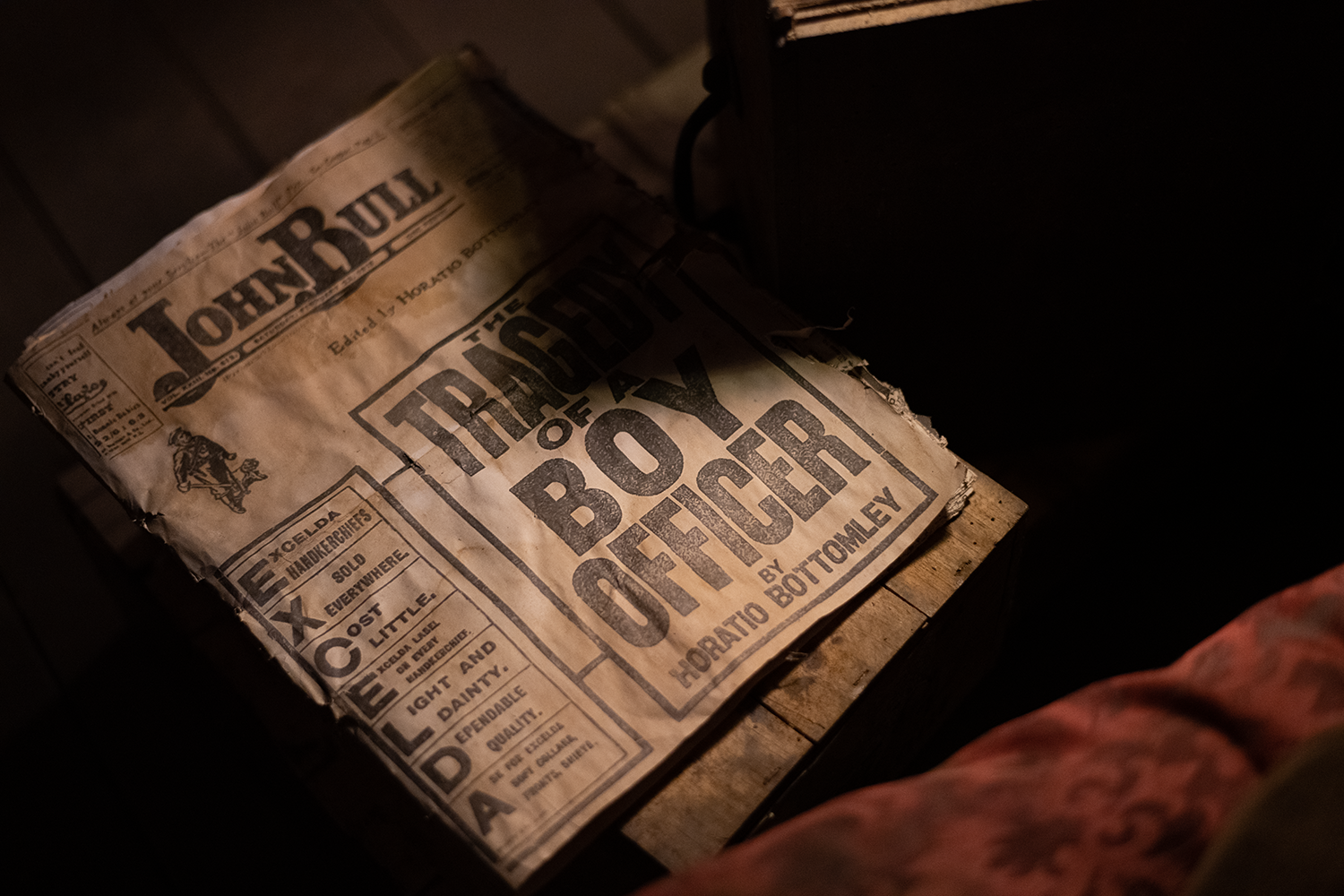
The result is his feature directorial debut, which arrives on digital in the United Kingdom today, November 3, alongside a series of screenings and cast Q&As surrounding Remembrance Day, the November 11 observance honoring those who died in military service.
A North American release is planned for the coming months (and you can find more information on that below).
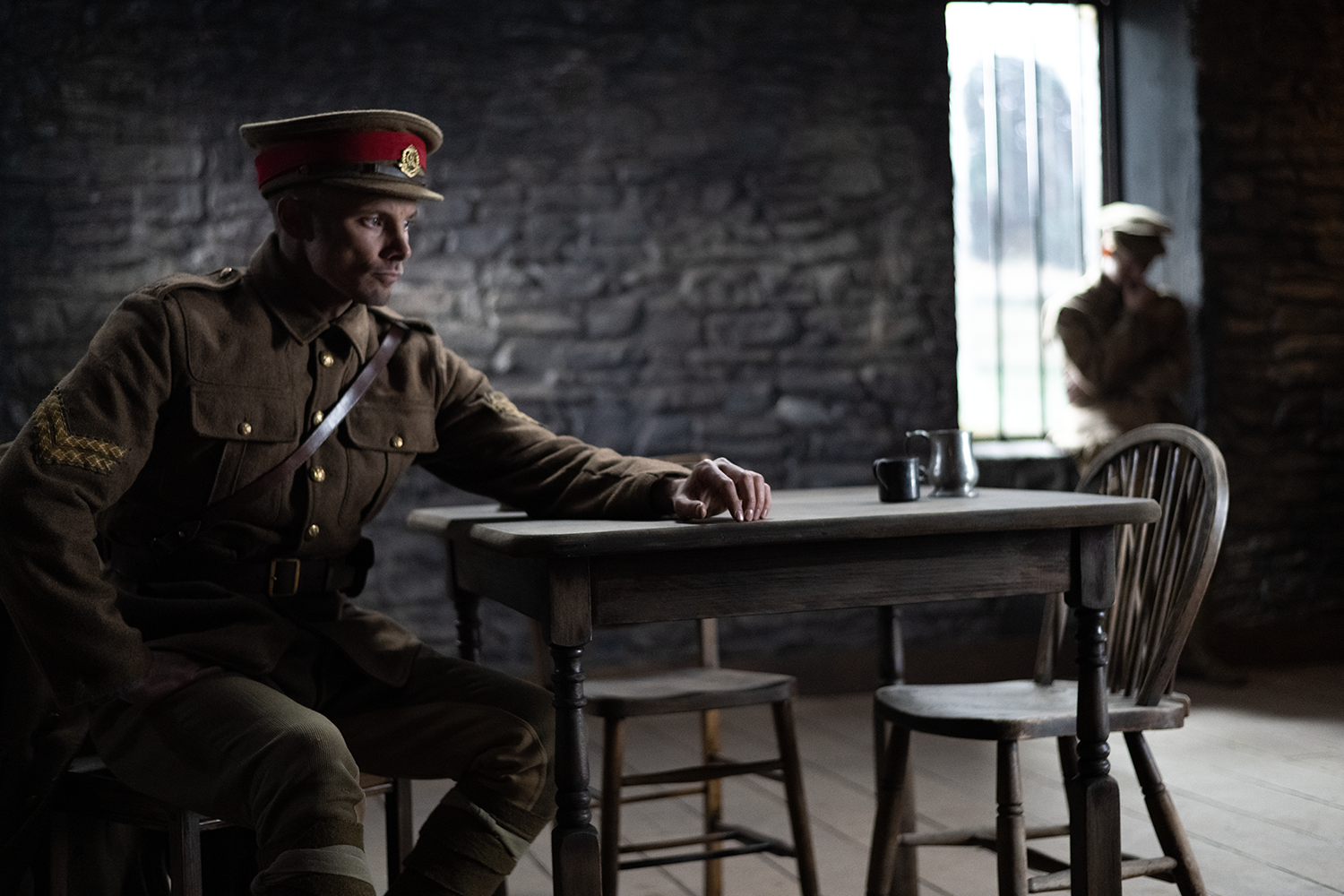
Set on the Western Front in 1916, the film follows Corporal George Hansen (Bradley James), whose childhood friend and superior officer, Assistant Provost Marshal Sydney Oakes (Luke Brandon Field), offers him a posting guarding British soldiers awaiting execution for desertion. When Dyett (Christopher Bonwell) arrives in his custody, George must decide how far he is prepared to go to save another man’s life.
Although Dyett’s real-life story drove Rappaport’s interest, he chose to approach it through George and Sydney, fictional characters who combine elements of different people and perspectives. That distinction gave him room to develop their complicated relationship while remaining faithful to the historical figures at the center of the film.
“I think it would be very uncomfortable for me to take real people and imprint the relationship between those two characters on them in the past,” Rappaport said. “Whereas with Edwin, I’m very loyal to what happened with Edwin.”
Finding George and Sydney
Bringing George and Sydney to life meant finding actors who could handle the shifts in tone and the complicated history between them.
“I wanted to write something that actors would really want to be a part of, that would give them an opportunity to go in and really stretch and have an opportunity to do some real dramatic acting and comedic acting,” Rappaport said. “There are funny moments in the movie, and I think they absolutely rose to and exceeded what was there on the page, and they made it their own.”
For James, that meant taking George across what Rappaport described as “the entire emotional spectrum and then back again.”
“Beyond the fact that Bradley is a fantastic actor, and someone whose work I’ve admired for years, one of the things that really attracted me to having him play our protagonist George is that he has played so many great warriors from history — most famously King Arthur [in Merlin] — but this film put him in a place where escape — not just from the prison he’s unwittingly boxed himself into, not just from his superiors, and not just from the western front — requires drawing on everything he has beyond physical prowess,” Rappaport said. “And ultimately, in confronting the fear he has of the system he’s an integral part of — he learns the way out isn’t away — it’s through. Seeing Bradley go on that journey as George is very special.”
His contribution extended beyond his performance. As the film’s lead, James also helped set the tone for the production.
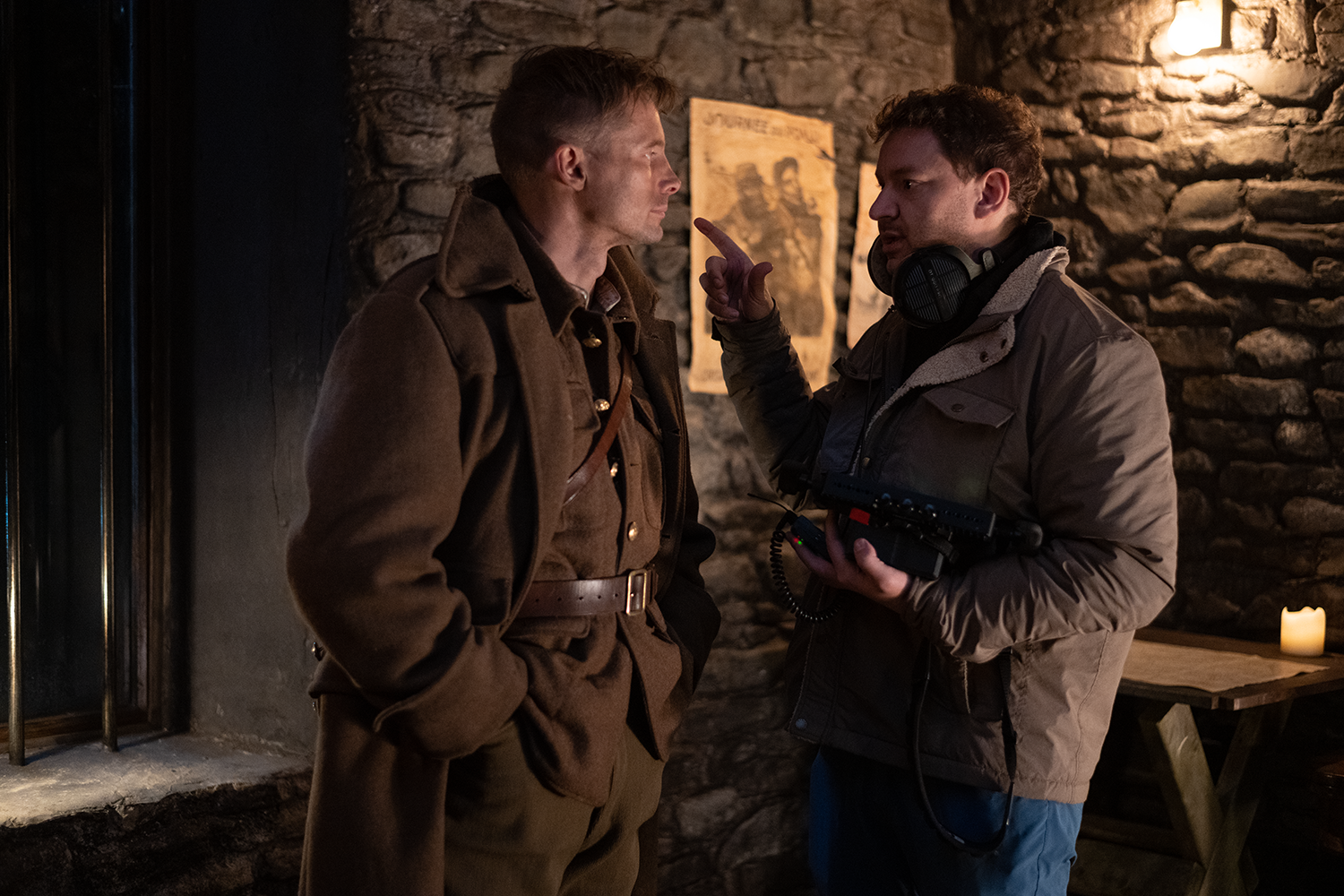
“It’s very important that they’re setting an example,” Rappaport explained. “Everyone’s kind of looking to the first person on the call sheet. And he absolutely did that as well.”
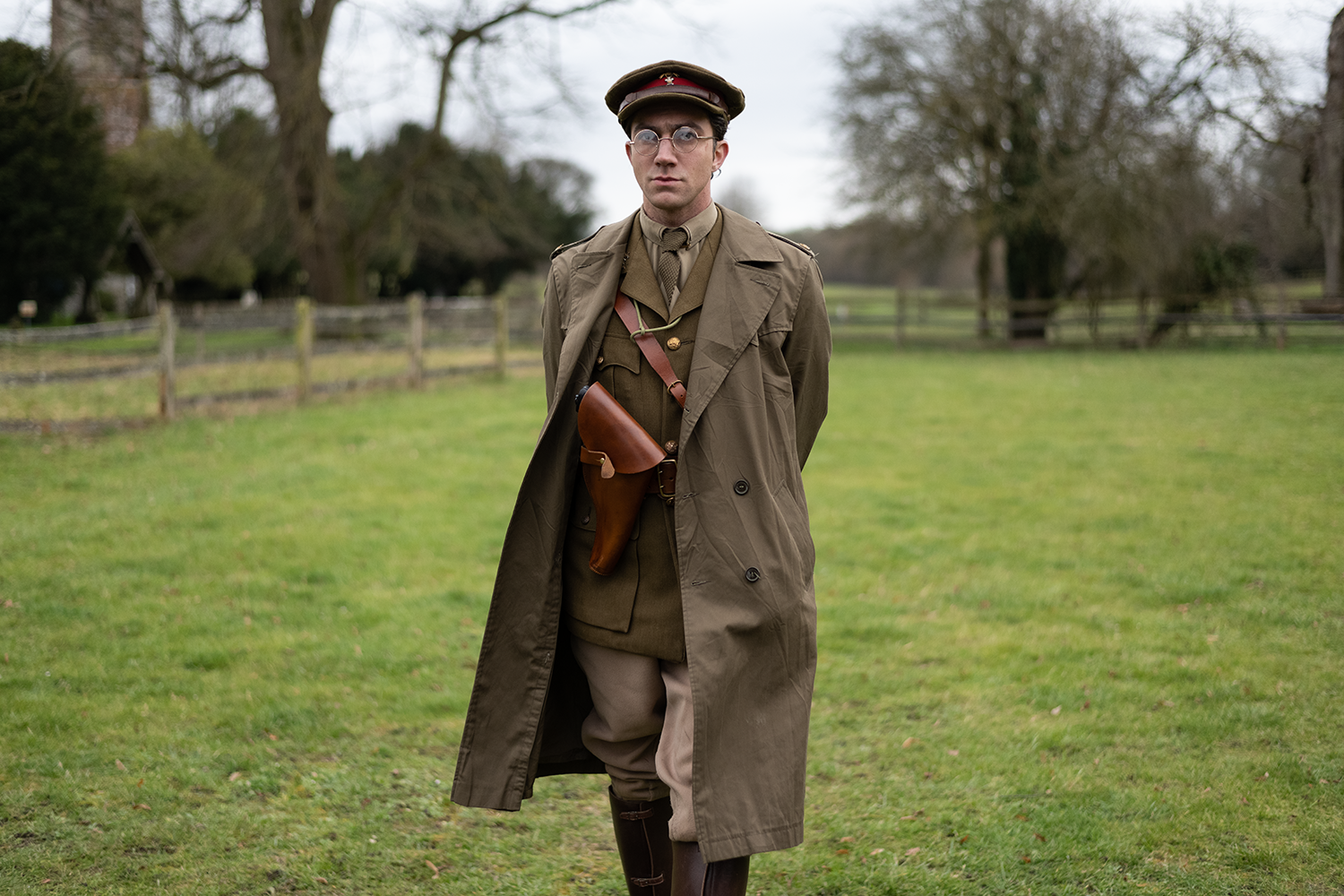
Field’s casting took a different route. Their initial conversations centered on him playing Edwin, but a few weeks later, Rappaport approached his team about Sydney, George’s childhood friend and superior officer, instead.
“Initially he went, ‘No, no, no, I’m Edwin,’” Rappaport said. “But I think once he went away and he looked back at the script, he understood where I was coming from.”
Field came to appreciate the decision, telling us in our expanded interview that he was “very grateful that he saw something in me that perhaps I hadn’t initially seen in myself.”
Those early discussions had also given Field a chance to hear how Rappaport discovered the story and intended to bring it to the screen.
“I immediately liked JR as a person. We got along incredibly well, and I found him enigmatic, enthusiastic, and very passionate about the story he wanted to tell,” Field said. “I remember asking him some fairly pressing questions about the film, particularly how he intended to maintain the pace and tension of the story, given its subject matter and setting. He had some really interesting ideas, and I found that he instilled confidence in me quite quickly.”
Their discussions about Sydney included the film Lawrence of Arabia, as they considered how to make his authority feel threatening without relying on constant aggression.
“We’ve seen that character with Rottweiler energy,” Rappaport said, explaining how they discussed looking instead at feline energy, with only “explosions of Rottweiler”. “I think that approach was something that opened it up for us and allowed us to do something a little bit different with the character.”
Stepping Into the Past
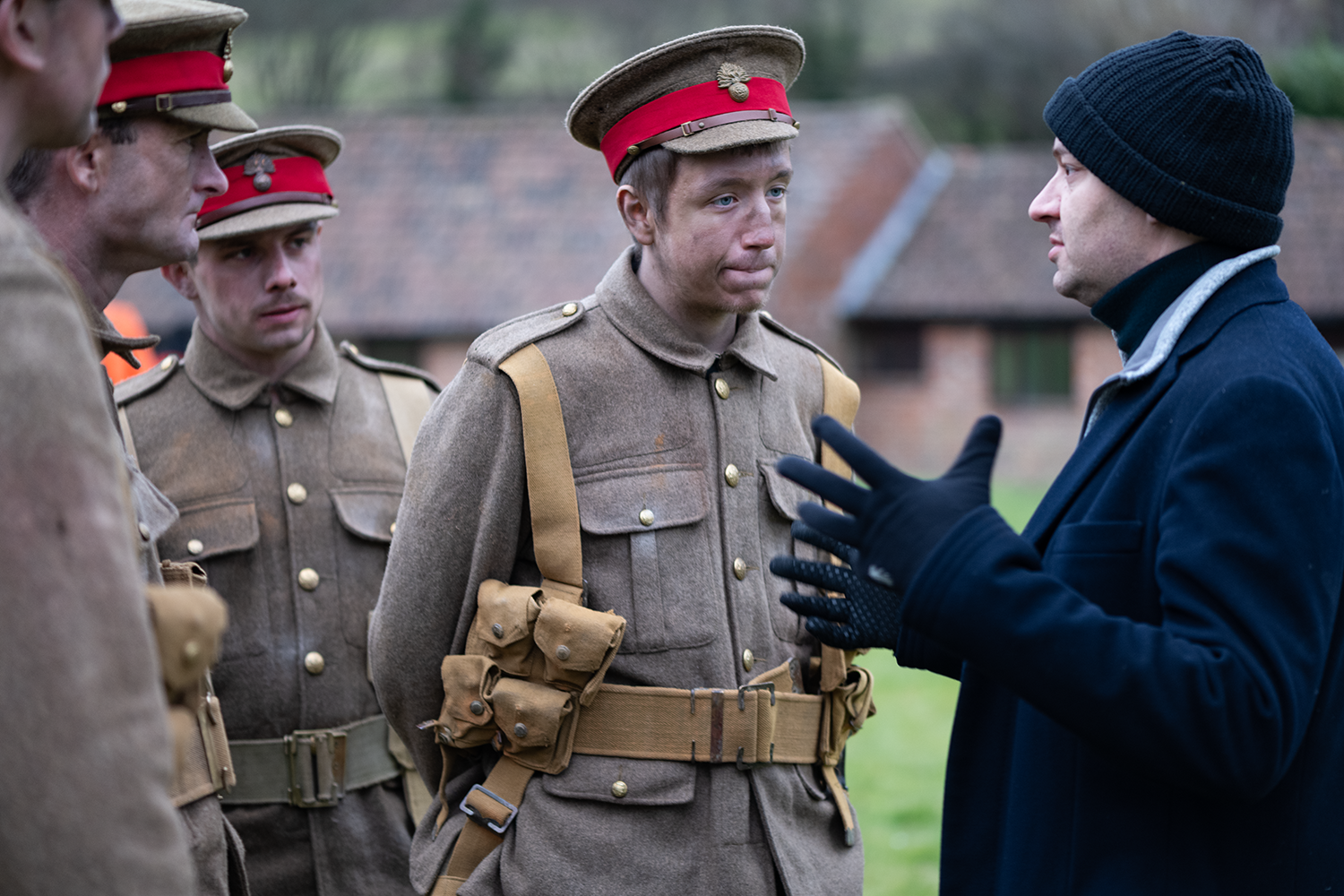
After the first table read, Rappaport took the cast to the Imperial War Museum in London. Walking through its First World War exhibits and replica trench offered a way into the period, while the outing gave the actors time to get acquainted.
“There needs to be a sense of camaraderie between them, even between your antagonist and protagonist, and especially between them at the start,” Rappaport said.
James later returned to the museum to spend more time researching, something that came as little surprise to his director. “I love going to museums with him,” Rappaport said. “We spend like four hours in any museum we go to.”
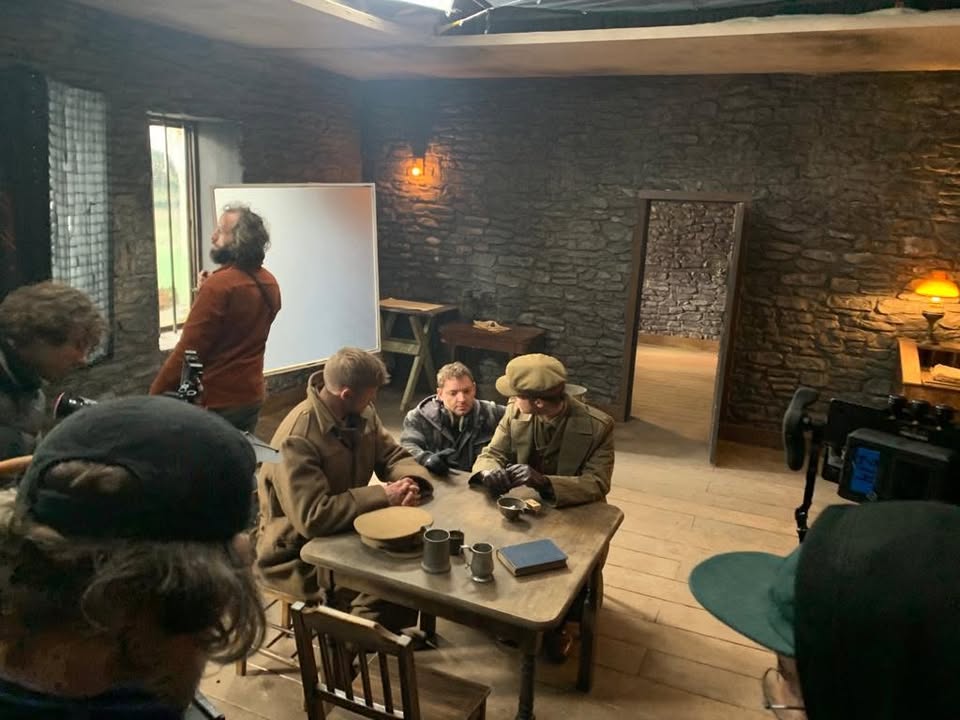
Field also found that shared preparation was valuable. “It immediately gave us a shared understanding of what was at stake,” he said. “Then, when we eventually arrived on set, the production design was extraordinary. Walking into the cell block, you genuinely felt transported to another time.”
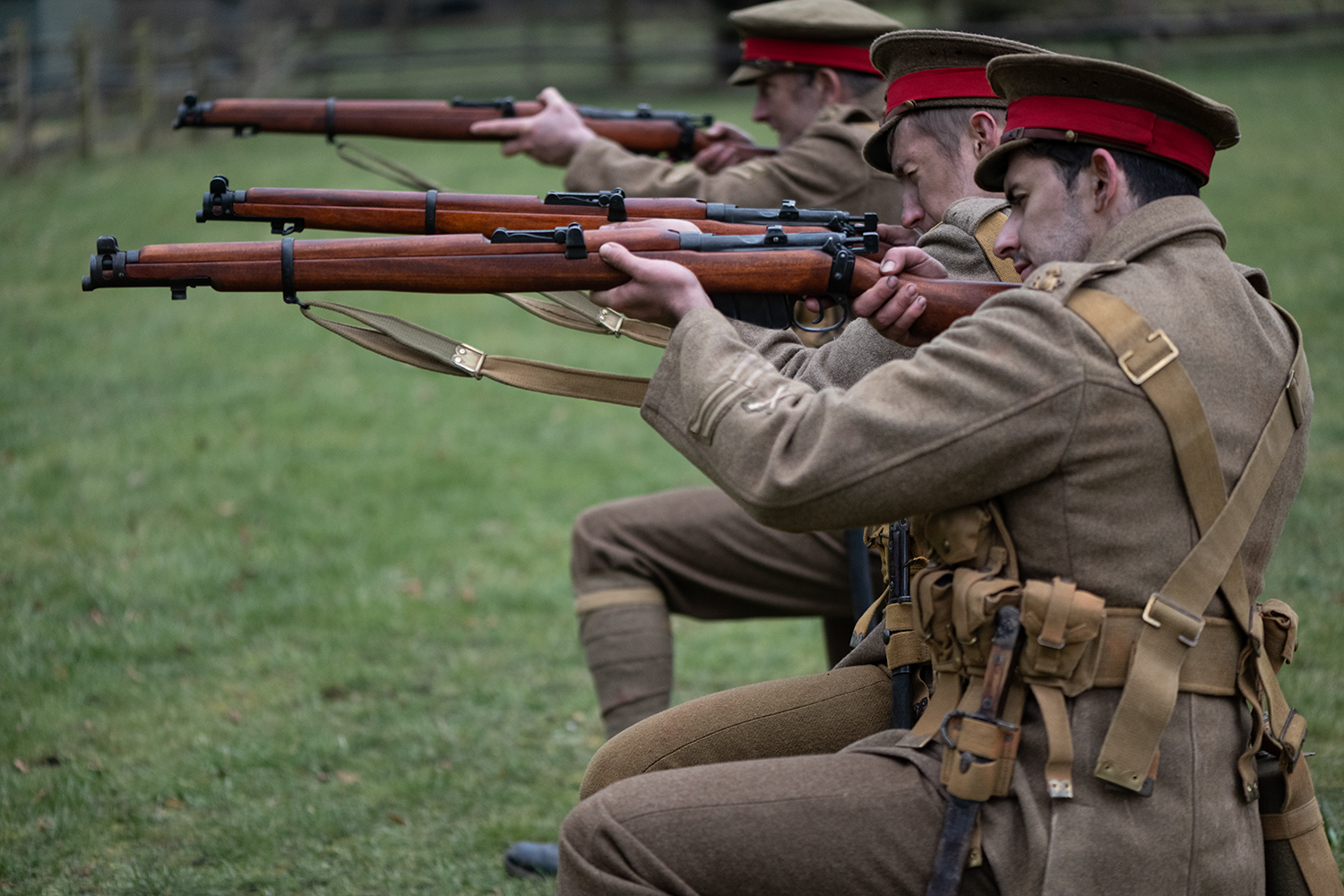
The production also filmed at Chawton House, giving the actors another setting that helped ground their performances in the period.
“I think with a period film, if you can create an environment that feels entirely authentic, you’re already halfway there as an actor,” Field said. “You don’t have to spend your time imagining the world around you because, to a large extent, it’s already been created.”
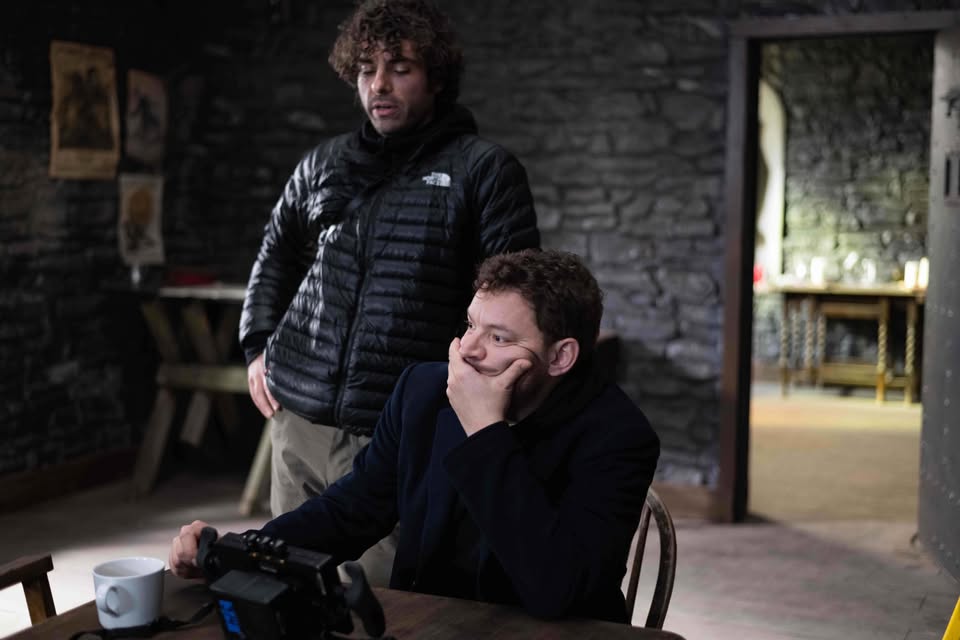
For Rappaport and his director of photography, Luka Bazeli, keeping that world cinematic required careful attention. With much of the film unfolding inside a prison cell, they wanted to avoid “comfortable coverage,” simply cutting back and forth between people talking.
“The main thing is we had to focus on electrifying the space,” he explained. That meant using the camera, the actors’ movements, and the editing to sustain tension and give the film a visual life beyond its dialogue. “Every 10 to 15 minutes, we run an electric shock through the cell,” Rappaport teased, careful not to reveal exactly what those moments involve.
Bringing the Film to Audiences
With the film completed, Rappaport sees the next step as following through on the work his cast put into it. “They made it their own, and now it’s our turn. We’re gonna go and we’re gonna give it to the world,” Rappaport said.
Although the subject matter may seem at glance like it’s “morbid or grisly”, as Rappaport explained, it ultimately has more in common with classic films like Twelve Angry Men, Paths of Glory, or A Few Good Men than it does with All Quiet on the Western Front or 1917.
“The picture is tremendously life-affirming, and I think quite positive. You come out feeling good, and it is — at least it would have been in my household growing up — something you can watch with the teenagers in your home if you have them,” Rappaport said.
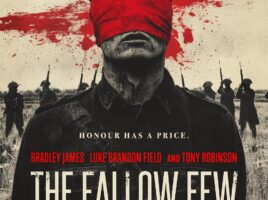
Before its wider release, The Fallow Few has already won over festival audiences, including multiple wins at the Boston International Film Festival (including Best Actor for James, Best Story, and Best Emerging Filmmaker), as well as the Sedona International Film Festival, where it received the Directors’ Choice award for Best Indie-Spirit Feature and the Audience Choice award for Best International Film, against heavy competition. “We beat a movie that won an Oscar, and we beat a movie that was nominated for seven Césars,” Rappaport said.
UK audiences will get the chance to experience the film on November 3 digital release, and the ongoing theatrical screenings surrounding Remembrance Day. Rappaport plans to bring a similar combination of screenings with cast Q&A’s and digital release to North America in the “coming months”, which he described as “almost like touring with the movie.” Dates, locations, and participating cast have yet to be announced, but he wanted U.S. readers to know they’re part of the plan.
“You can mark your calendars,” Rappaport said. “We are coming over to North America next,” he said.
For upcoming UK dates, ticket information, and confirmed Q&A guests, visit our screening guide.