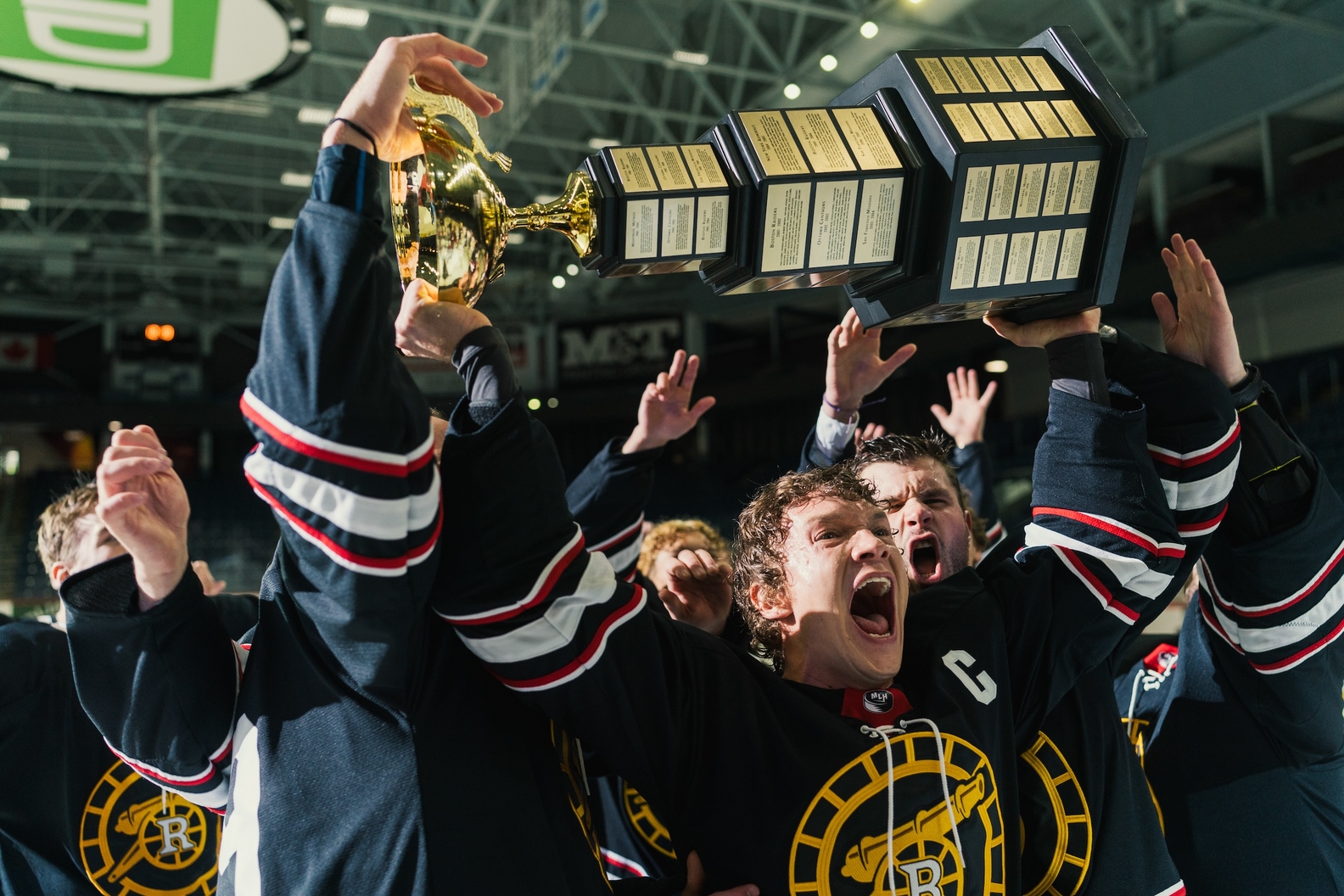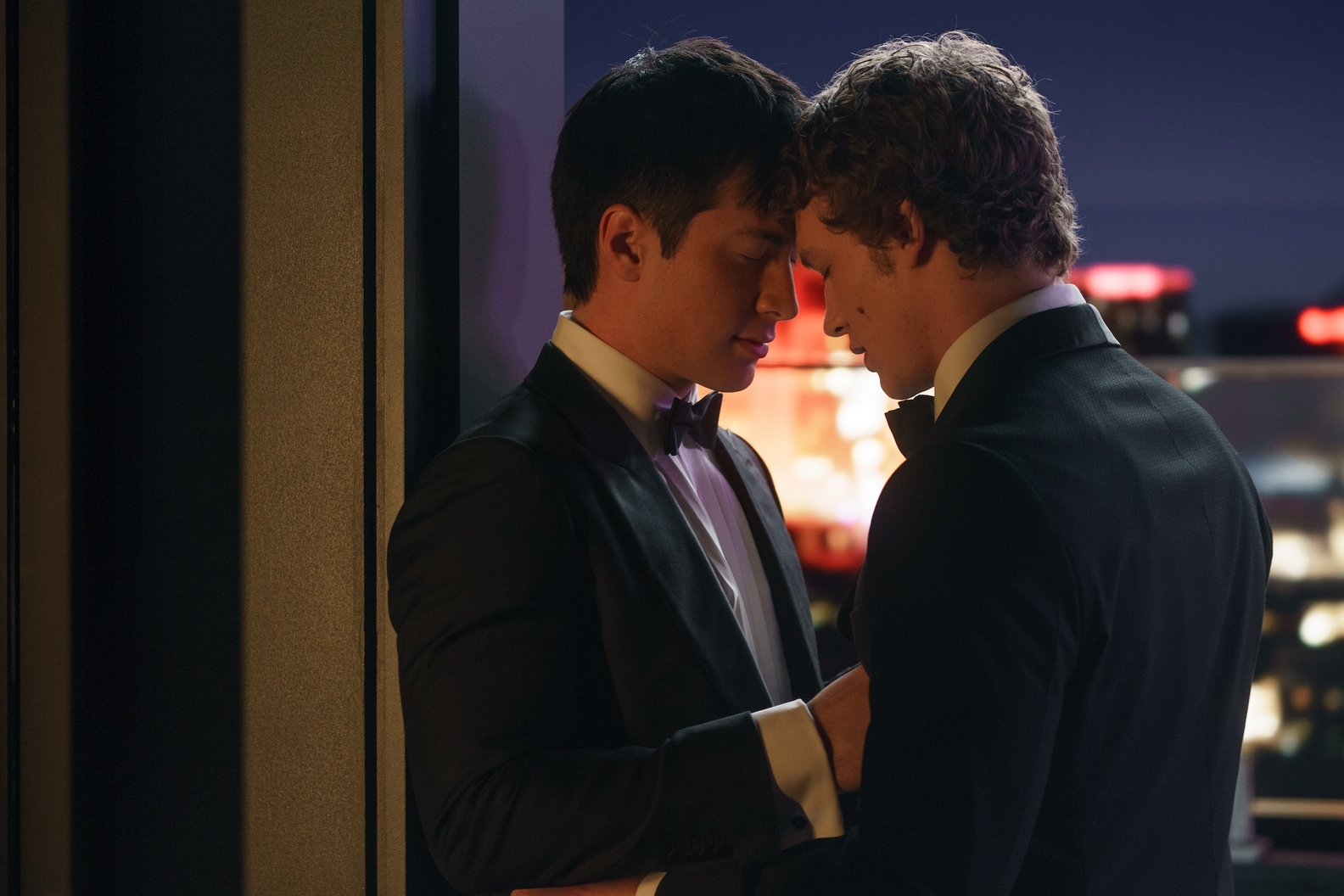
Last night, I walked into the same movie theater my dad used to take me to for weekend double features, and the lobby was full of people in hockey jerseys and fangirls (and fanboys). A whole crowd of us, all there for the exact same reason: six episodes of Heated Rivalry, the gay hockey romance that set the internet ablaze last winter, playing on a huge silver screen.
Like a lot of queer kids, I grew up in a fairly conservative household. My parents were amazing and they loved me, certainly, but they didn’t necessarily “get” me. What we did share was film and TV. That was our love language, and it was how we communicated to each other. My dad loved nothing more than showing me his favorite films (and I credit him for everything from my love of Ray Harryhausen and stop motion, to my hatred of westerns — you tried, dad, you really did), and picking them apart afterward. Our nights and weekends were spent gathered around the television. Every birthday and most weekends was spent at the movies, and when I was in elementary or middle school, he begged my mom to let me watch The X-Files because he wanted someone to discuss it with, and I was the best — and only — option.
What we never talked about was that I felt “different”, because I queer, and it wasn’t something I saw represented in those shows and films, either. Sure, every once in a while something fun and mainstream would slip through (there’s a reason The Birdcage is still my favorite movie of all time), but for the most part, representation was few and far between.
The most famous gay film of the era was, without question, Philadelphia, and as important as it was (it won Tom Hanks an Oscar and put AIDS in front of a mainstream audiences), it wasn’t something I related to as a kid. It was a story about a gay man dying, and I was just trying to figure out who I might get to grow up to be.
Elsewhere, being gay was mostly played for laughs. Will & Grace was a genuine hit, but Will barely dated for years, and Jack was mostly there to deliver the punchline. I remember seeing In & Out with my mom and aunt, watching Kevin Kline’s small-town English teacher getting outed on live TV at the Oscars, and when Tom Selleck finally plants a kiss on him, the scene is staged for the audience to squirm and giggle.
I longed for something more. I longed for it so badly, in fact, that I used to buy queer romantic comedies (not that there were many to choose from) on eBay, using money orders I’d pay for in cash at the post office. Yes, really! You used to be able to purchase things off eBay and pay for them with a money order you would mail to the seller! It was a different time (and I was underage and had no credit card), and I was something of an enterprising child. I’d get home before my parents, grab the VHS tapes from the mailbox, and then play them at 5 a.m. on the TV in the spare room, the volume turned down so low I could barely hear it, just so it wouldn’t wake my parents.
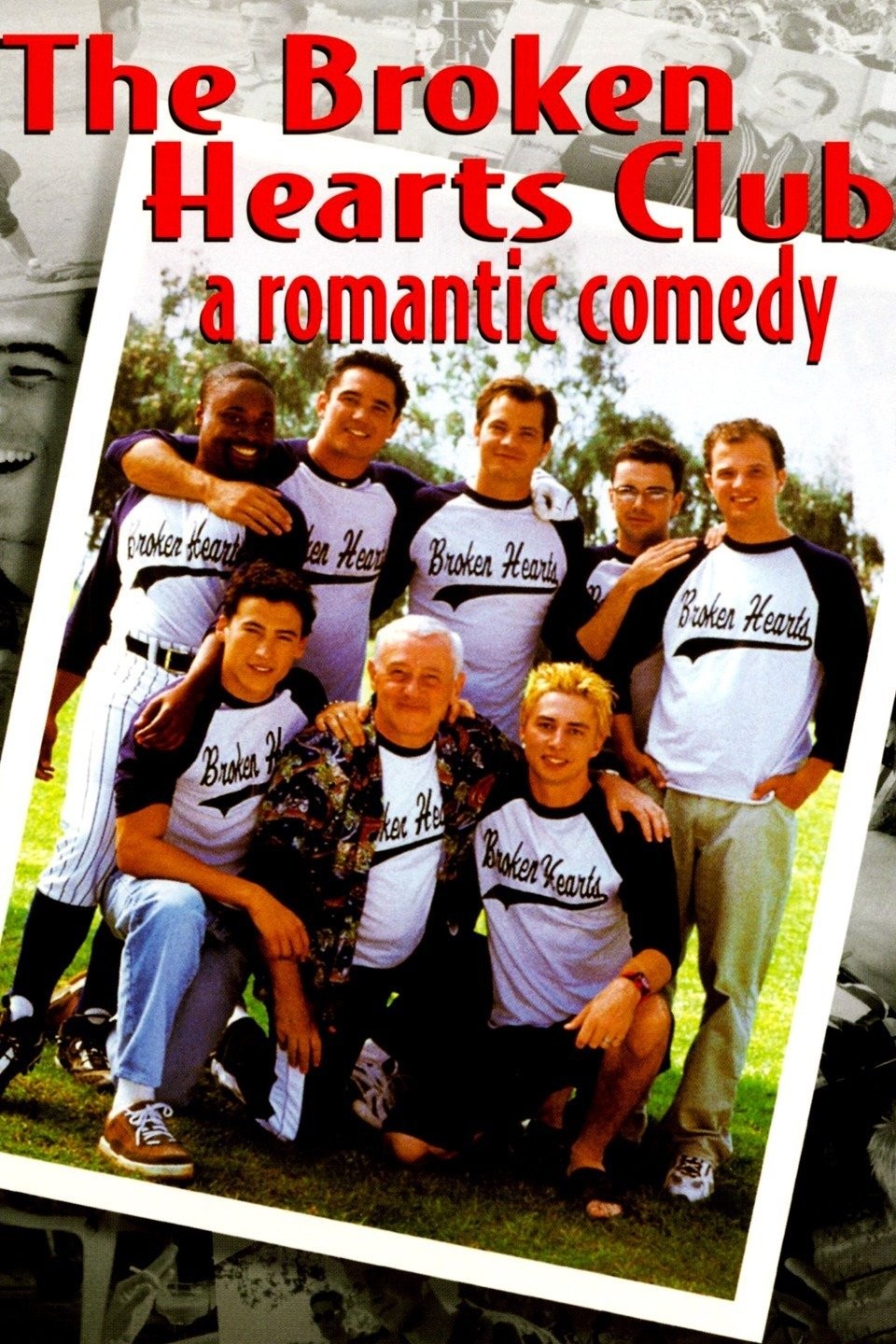
My favorite of these was The Broken Hearts Club, Greg Berlanti’s 2000 rom-com, starring a slew of actors who would go on to have amazing careers (Timothy Olyphant! Zach Braff! Billy Porter!). It was just gay friends, hanging out, falling in love, doing totally normal things — and I wore that tape out. But I never mentioned it to my parents.
Eventually, as I got a bit older, I did stop hiding it quite so much. I got my parents to watch a few fairly tame LGBTQ+ movies with me, like Big Eden, and forced my friends to listen to the Hedwig and the Angry Inch soundtrack on repeat.
And like a lot of kids in my position, I found community online. There were other people out there who were into the same things I was: not only queer media, but the possibility of romance between characters on screen that the writers maybe never intended. This is, you know, a thing called chemistry, and straight audiences have been doing exactly this since the invention of TV and movies. Don’t tell me fans weren’t longing for Ross and Rachel to kiss long before they did, or screaming at Maddie and David to just give in already on Moonlighting. The difference was that straight fans usually got their payoff on screen.
We mostly had to write ours ourselves. And write we did. We gathered on message boards and in group chats, AOL Instant Messenger and Livejournal, dissecting episodes frame by frame and writing fanfic by the thousands of words. It was amazing, truly, but it was also very hush-hush. You never, EVER brought it up with anyone you didn’t already know was “in the know.”
Over the years, that’s slowly changed. A mountain of films and series paved the way, everything from Queer as Folk (and if I also saw the original UK version on a bootleg VHS tape I bought off eBay, I can neither confirm nor deny) to Brokeback Mountain to Our Flag Means Death. But they were still treated as niche, something for a fringe audience.
Social media made it easier than ever to find like-minded people, especially on platforms like Twitter and Tumblr, but in real life? At work, at the grocery store, at the movies? For many of us, that was still questionable.
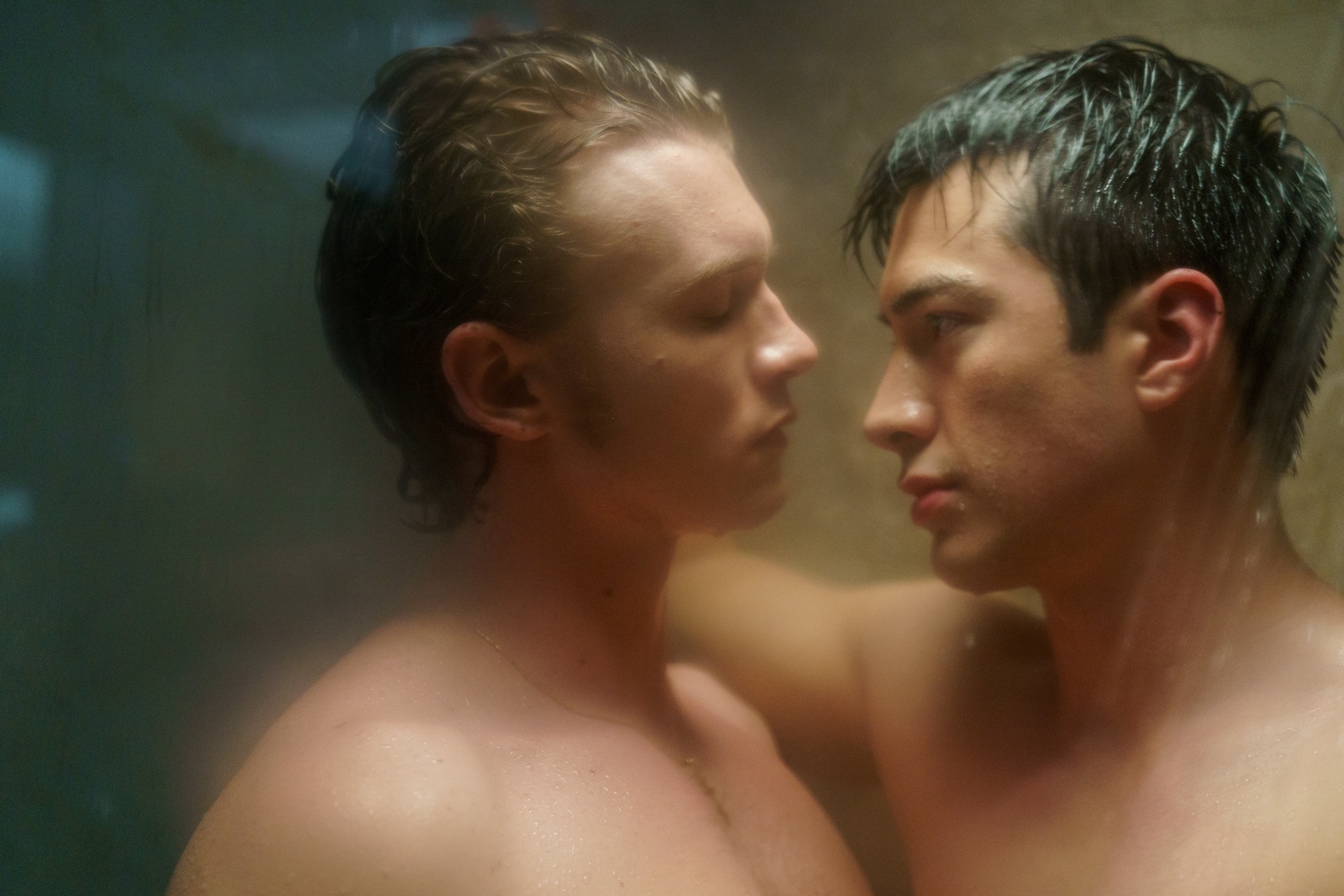
Cut to Heated Rivalry. Much has already been written about how and why this series blew up when so many others haven’t (one day you will get the recognition you deserve, Interview with the Vampire).
But blow up it did, thanks in part to a massive built-in fanbase from Rachel Reid’s books, and offering a romance that actually delivers on a romance’s promise — no one died of AIDS, there was no tragic ending, it was just two people falling in love — all while not flinching from showing what these two men want from each other. Whatever the reason, it caught on, and it caught on BIG. I remember seeing a 23-year-old coworker posting about it on TikTok early on and immediately texting all of my friends, “What is happening? Did we break containment?!”
And it turned out, we definitely had. The six-episode Crave series, created by Jacob Tierney and adapted from Reid’s Game Changers novels, premiered on Crave and HBO Max on November 28, 2025, and its audience grew week after week. Crave renewed it barely two weeks in. By the time the finale aired the day after Christmas, Hudson Williams and Connor Storrie, two actors most people hadn’t heard of a month earlier, were everywhere. HBO Max eventually reported 10.6 million U.S. viewers, making it the most-watched acquired scripted series in the streamer’s history.
Reid’s books topped TikTok’s first official bestseller list, the NHL started paying attention, and earlier this year the show swept the Canadian Screen Awards with a record 16 wins. A gay hockey romance did that. A very horny gay hockey romance, at that.
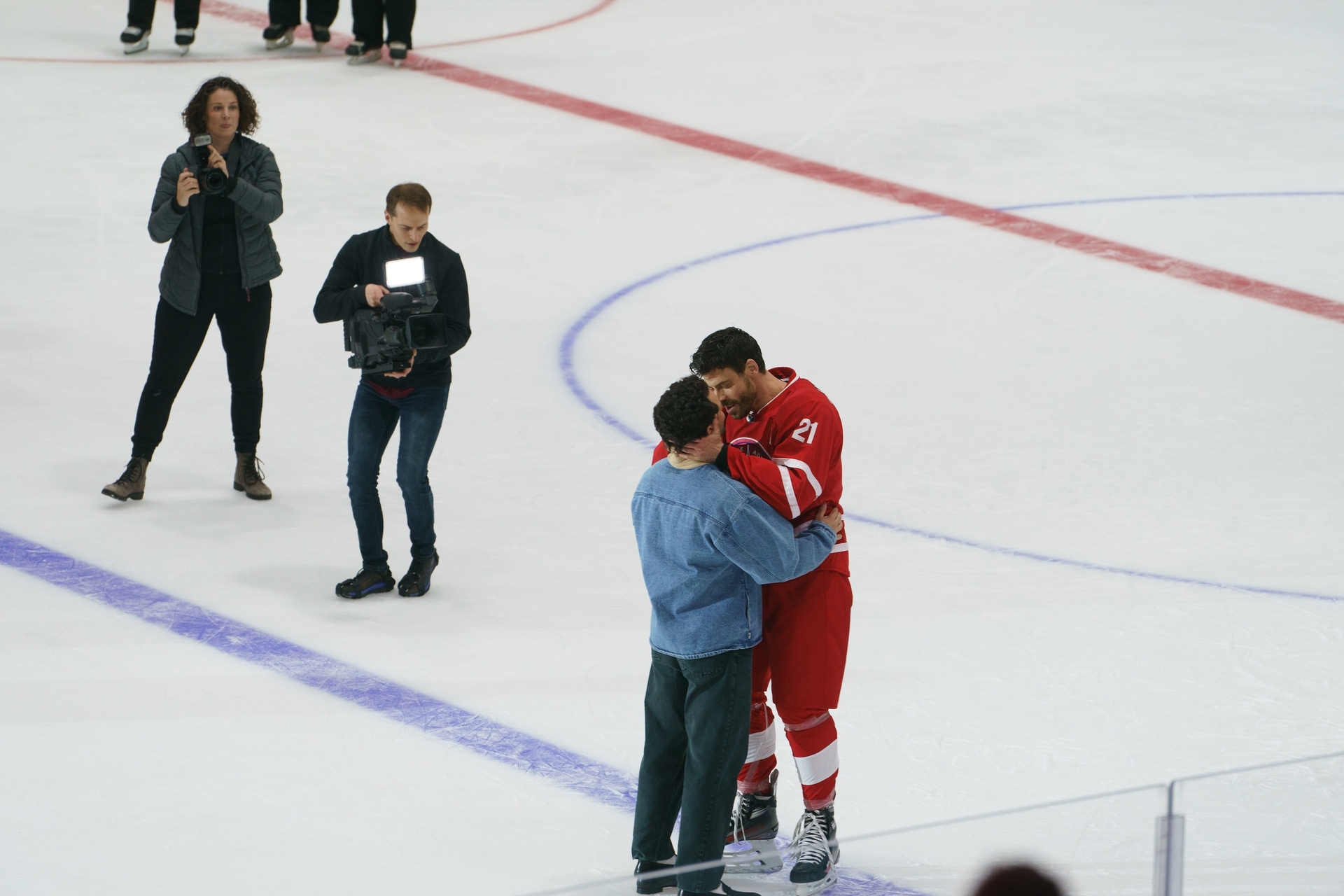
It also didn’t hurt that the story felt so familiar to a lot of us. Shane and Ilya spend years hiding what they are to each other, stealing time in hotel rooms between games and keeping it from their teammates, their families, and the press. I watched that and thought about a kid pulling VHS tapes out of the mailbox before anyone got home. Except here, nothing is subtext and nothing gets cut before it airs. The show lets them want each other in plain sight, and millions of people tuned in for exactly that. Millions!
It was the first time in my life I remember having people in my “normal” life discussing queer media. Even my father (who I have obviously since come out to) asked if I’d seen it. The show was suddenly part of the cultural zeitgeist, the way Game of Thrones or Stranger Things before it were.
Which is why, in honor of the one-year anniversary of the series, theatre chains like Regal, AMC, and Cinemark are screening all six episodes for fans, split into three two-episode blocks. Canada, the U.K., Australia and New Zealand are getting their own screenings, too.
It’s a chance to see the series on a big screen, but mostly it’s a communal celebration for people like me who have sometimes struggled to find “their people” outside of online spaces. Here, they’re in the next seat over.
Sure, queer movies in theaters aren’t the rarity they used to be, but even now, they’re often treated as arthouse fare or niche releases. Are mainstream audiences flocking to Elsinore or Leviticus? Probably not. A gay TV show in the multiplex, though? Playing next door to the superhero movies and the horror sequels? I can only think of a handful of TV shows that have gotten similar treatment, the most obvious being the recent Stranger Things series finale. That was a global phenomenon, and so was this.
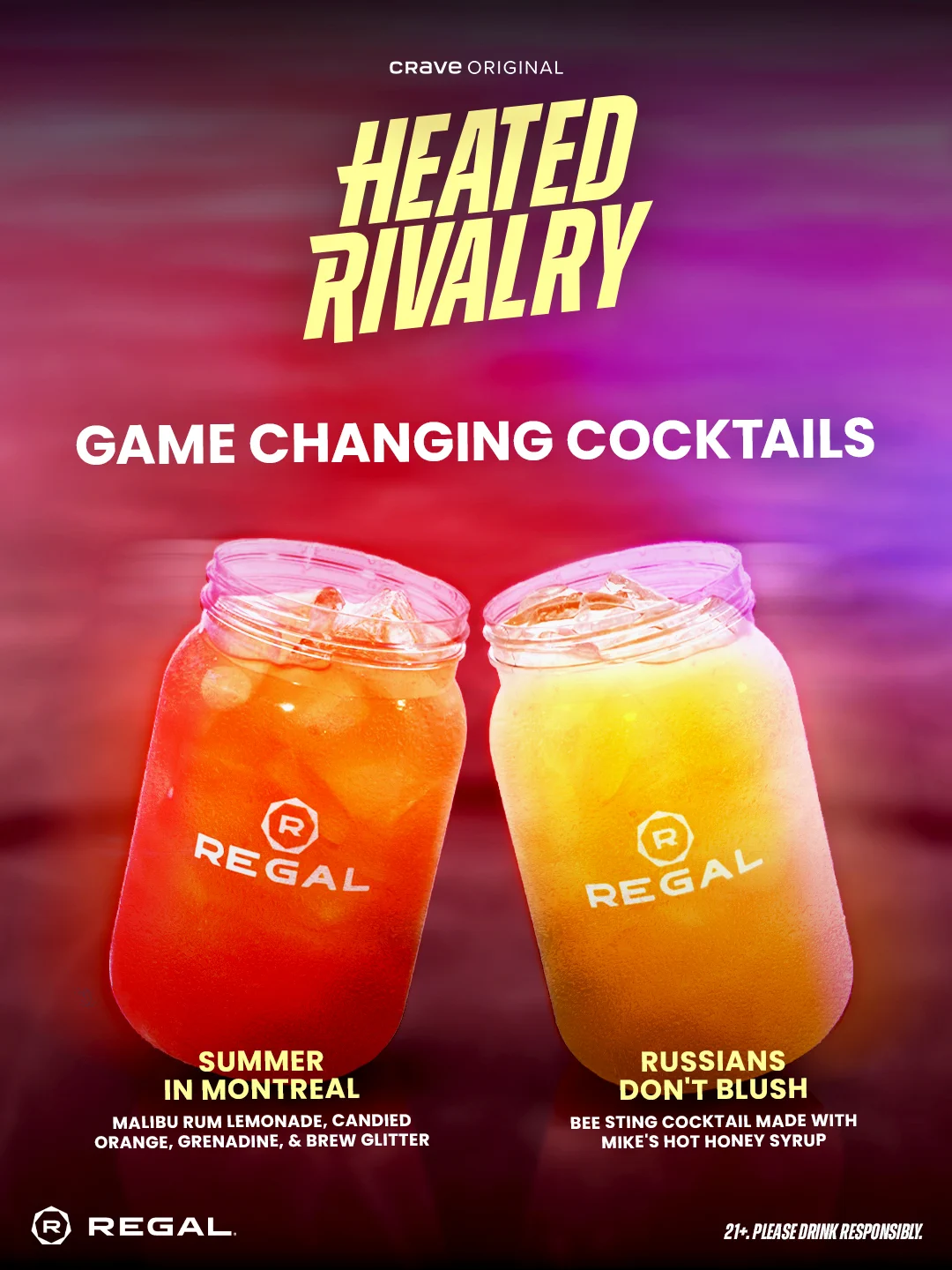
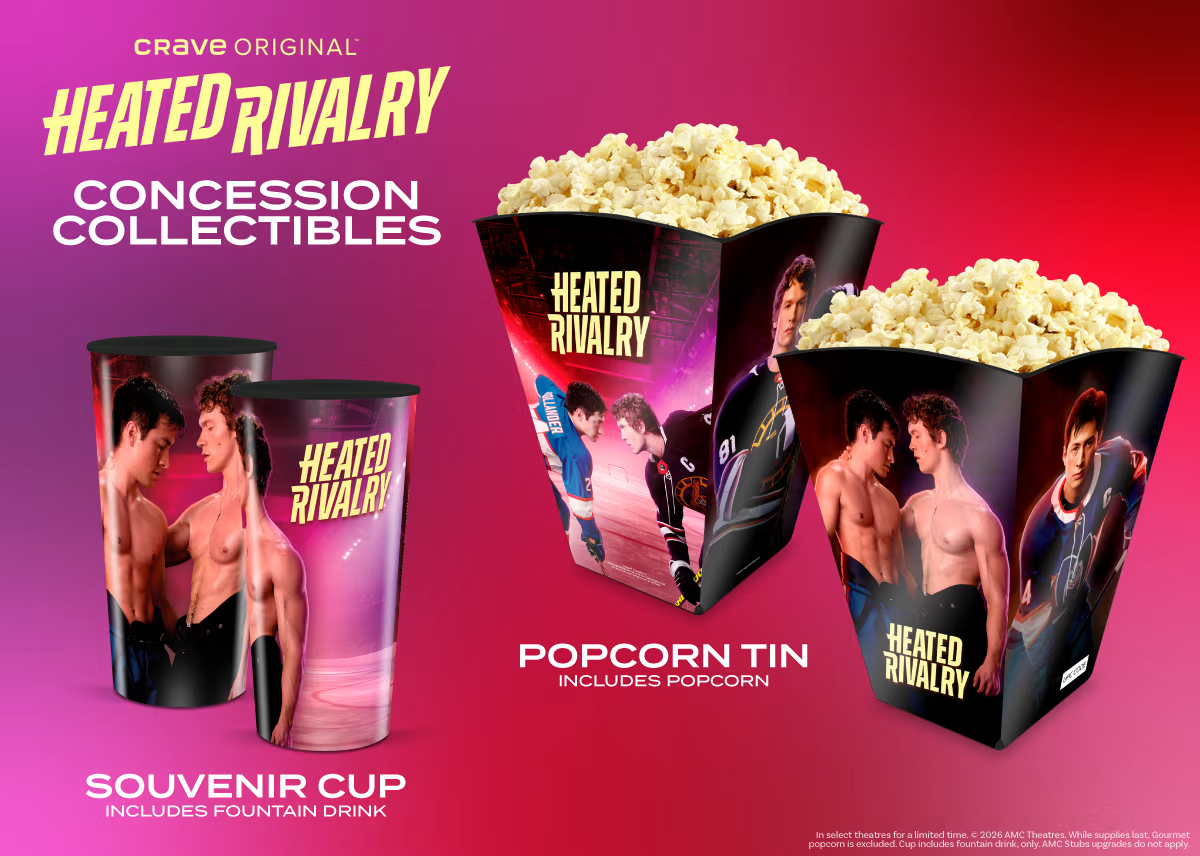
Fans at my screening dressed up the way people did for Barbie or Marvel openings, and Regal locations are even pouring themed cocktails (Summer in Montreal and Russians Don’t Blush). There are themed popcorn buckets and cups, the kind of tie-in you get for a blockbuster.
And look, the actual best part of my screening was a technical glitch. Since the show was made for TV, my theater had the aspect ratio wrong for part of the first episode, and the subtitles were getting cut off the bottom of the screen. That’s a real problem for a show where a good chunk of the dialogue is in Russian. They thought they’d fixed it, but there hadn’t been subtitles in a few minutes, so an AMC employee paused the episode and came in to ask if everything looked right now. When we explained where we were in the episode, and how close we were to him being able to check, he turned to his headset and told someone on the other end, “Press play! The girls said we’re in Russia now!”
The whole theater applauded him when the next subtitle came on, fixed. That’s the kind of moment you just aren’t going to get watching at home on your couch. That’s the magic of the movies, that shared experience, even over a technical issue. As Nicole Kidman would say, heartbreak feels good in a place like this.
So if you haven’t gone yet, go. Grab your jersey, grab a Russians Don’t Blush, grab the friend you’ve been texting about this show since last Thanksgiving. The screenings run through November 30, and you’ve waited long enough to see this on a big screen. We all have. To watch it with a room full of like-minded people, at the theater where I spent almost every weekend with my dad? To see an unapologetically queer TV show on a huge screen, with a crowd? Younger me couldn’t have imagined that.
And if you’re sitting there thinking that these screenings seem ordinary, like any normal Friday night at the movies — that’s the whole damn point.